
An Example of Domestic Substitution for Inverters—STEP Inverter Applications in the Logistics Industry
2024-11-15

At How domestically produced variable-frequency drives are boosting quality and efficiency in the logistics industry. In this article, we learned that domestically produced variable-frequency drives (VFDs) have been steadily expanding their market share in the logistics industry year after year, continuously eroding the first-mover advantages held by foreign brands. Taking the STEPeng brand as an example, we introduced the five major technical challenges that STEPeng VFDs must overcome in the logistics sector. This issue will delve deeper into real-world application cases of STEP logistics-specific VFDs and the market feedback they have received.
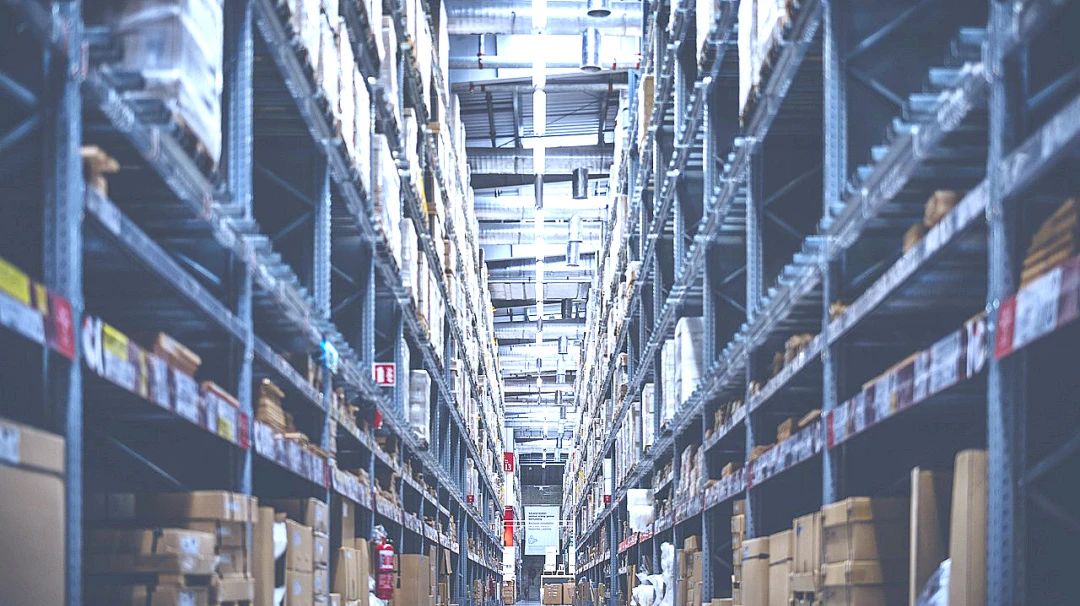
I. Case Studies of Stacker Crane Applications
The stacker crane is the core equipment of an automated stereoscopic warehouse. Its primary function is to shuttle back and forth between the aisles of the stereoscopic warehouse, performing coordinated movements such as horizontal reciprocating linear motion, vertical lifting, and left-right extension of the fork arms, to automatically store goods in designated storage locations on the shelves or retrieve goods from those locations, thereby enabling automated inbound and outbound operations in the automated stereoscopic warehouse.
The customer’s primary requirement for the stacker crane is precise control of the speed and position of cargo movement.
Case 1: Lithium Battery Project of a Subsidiary Under a State-Owned Enterprise in the Logistics Industry
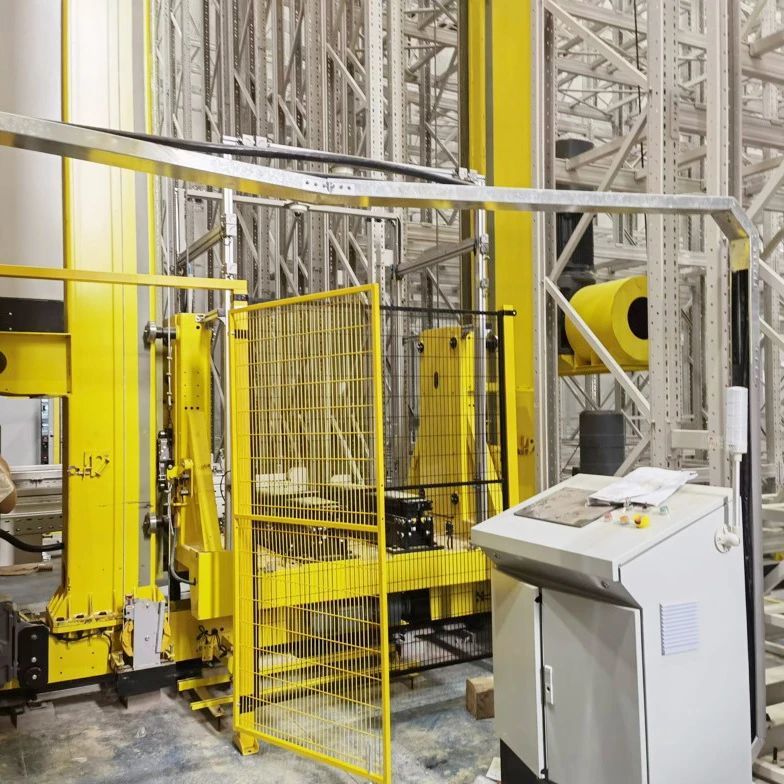
User requirements: Precisely control the speed and position of cargo movement.
Project Results: Finally, on-site measurements—covering the normal handling of 500 kg test objects and multi-layer handling of 1-ton full-load test objects—successfully addressed the phenomenon-level issue.
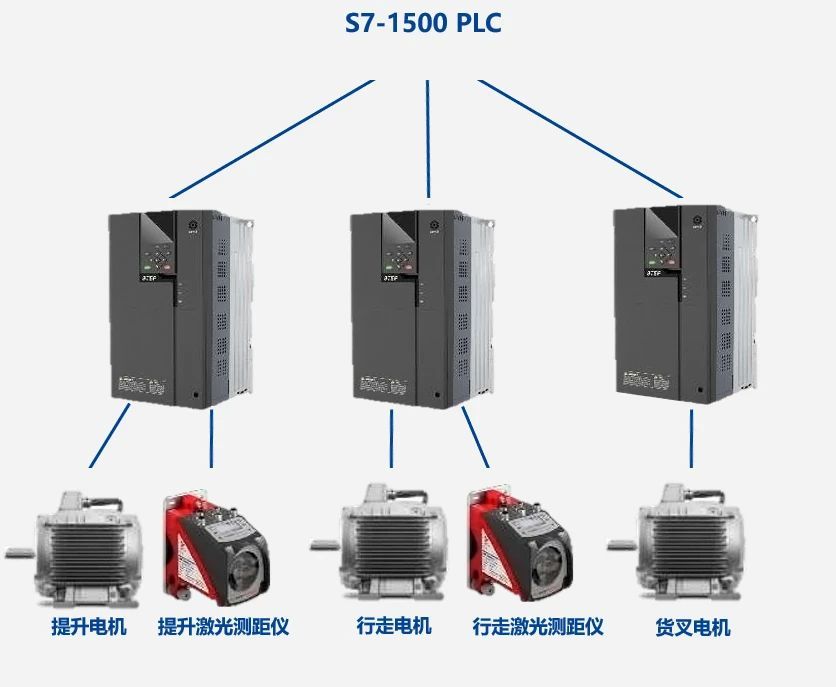
STEP Solutions: When walking, the enhanced laser ranging SSI signal is directly fed into the inverter, which performs position control internally and autonomously plans the optimal velocity profile. With a dual closed-loop system for both speed and position, the robot stops precisely at the target position, eliminating any creep distance.
Case 2: A Super Factory of One of the Top 3 Integrators in the Logistics Industry
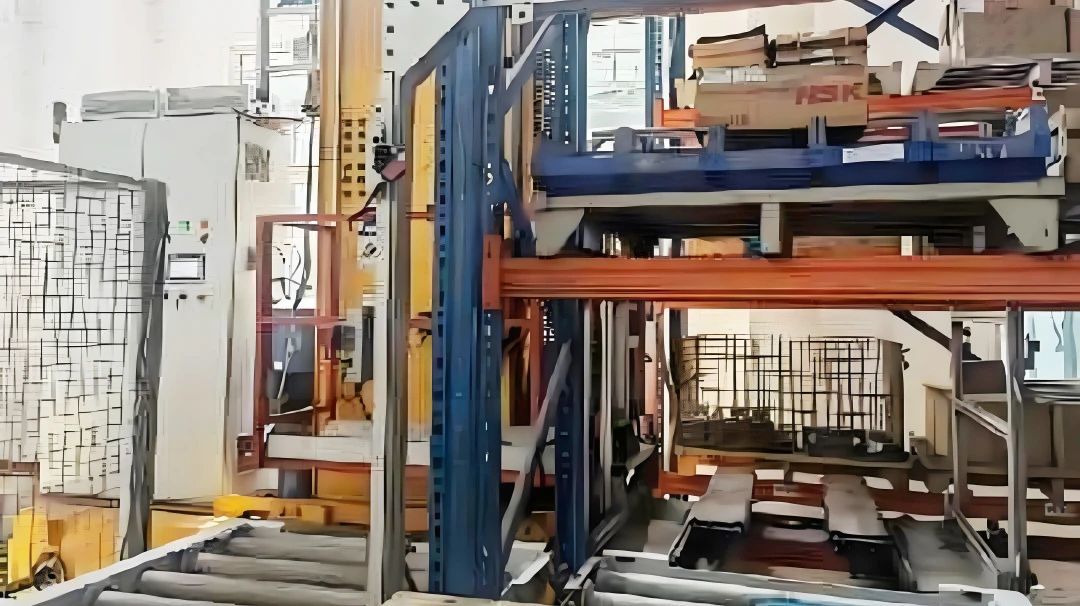
User requirements: Precisely control the speed and position of cargo movement.
Project Results Finally, on-site measurements were conducted, confirming the normal handling and retrieval of 500 kg test items as well as the retrieval and handling of a single layer of 1-ton fully loaded test items.
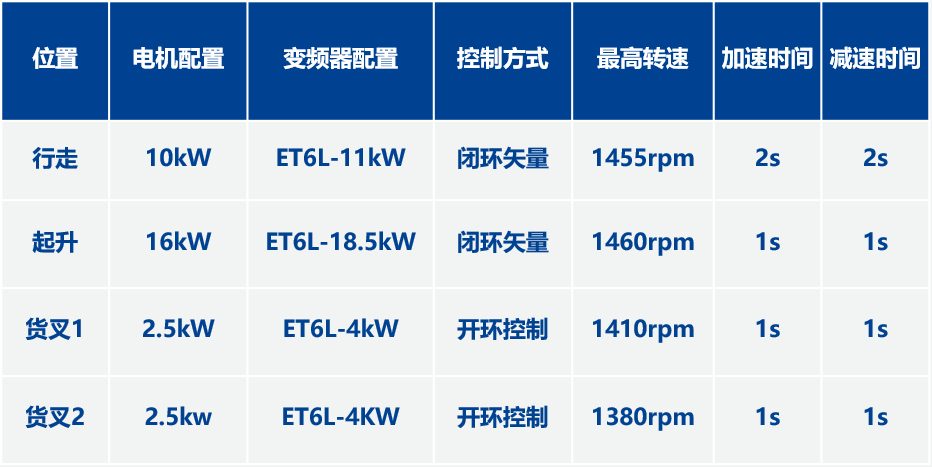
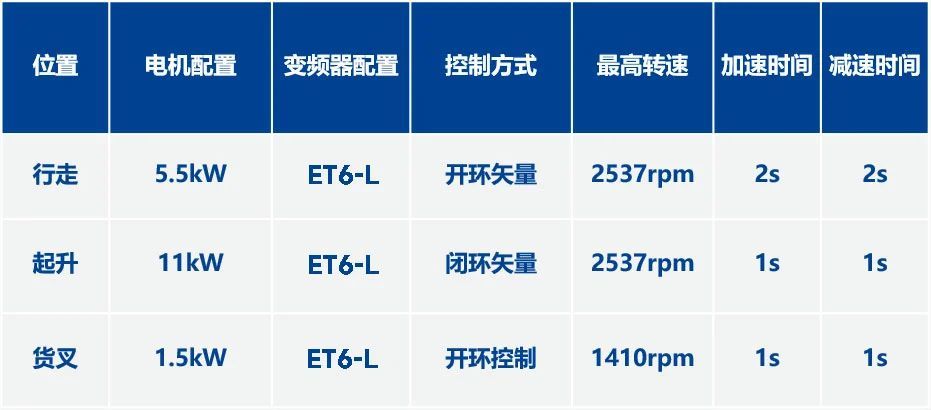
STEP Solutions: The stacker crane’s travel motion employs open-loop vector control with laser ranging; during lifting, it uses closed-loop vector control with barcode-based ranging; and for fork movement, it adopts open-loop control with absolute encoder-based ranging.
II. Application Cases of Elevators
The lift can operate on fixed tracks and uses electric or hydraulic systems to lift and transport goods. Lifts are commonly used in high-rise buildings, warehouses, logistics centers, and other similar facilities to facilitate the efficient movement of goods. Unlike stackers, lifts are primarily designed for vertical transportation rather than shuttling between aisles.
Customers’ main requirements for the elevator focus on more stable control and high positioning accuracy.
Case 1: Application Solution for Heavy-Duty Hoists
User requirements: High positioning accuracy, cost-effective control, and smooth layer changes without jamming the chassis.
Project Results: Finally, on-site tests were successfully completed, including normal handling of 500 kg test pieces and multi-layer handling of 1-ton full-load test pieces. The system has passed acceptance testing and has been in normal production use for one year.
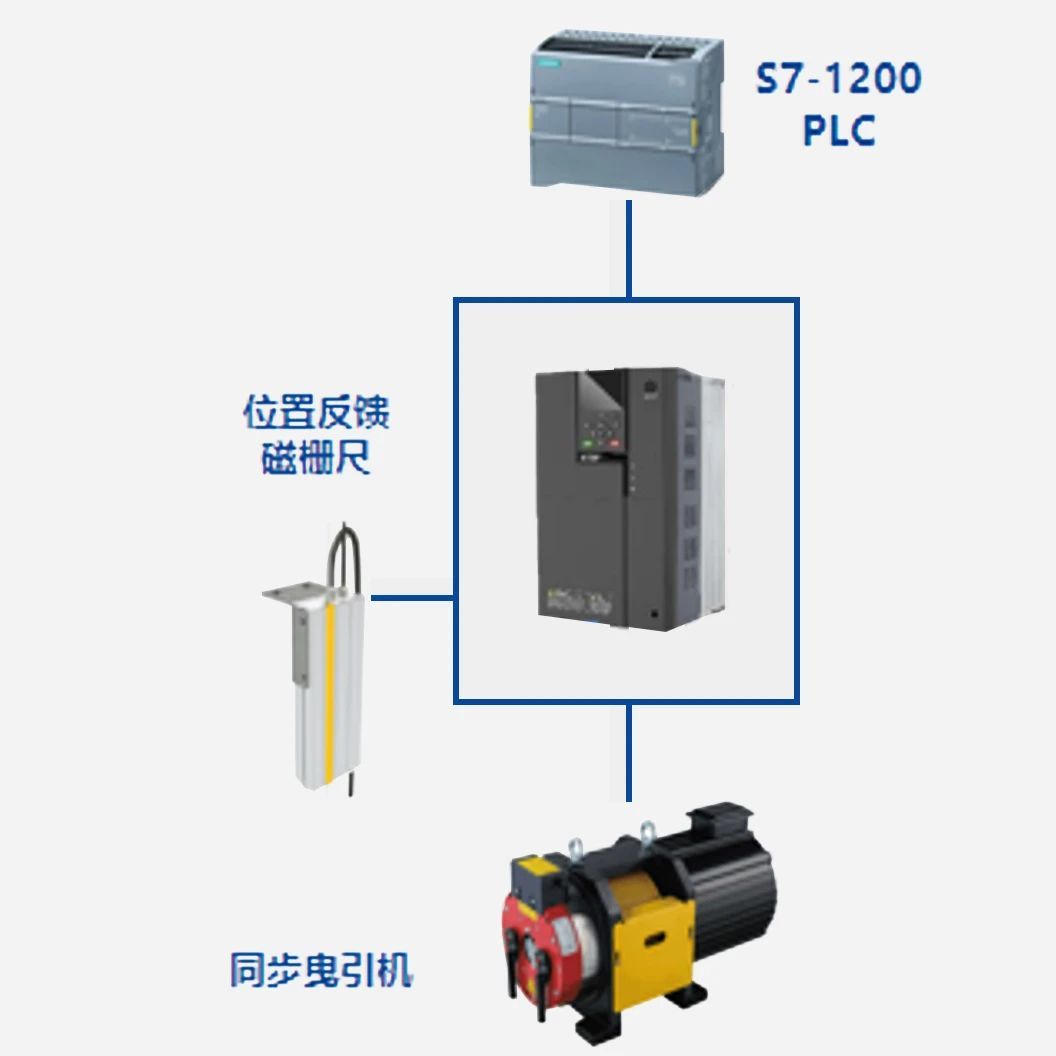
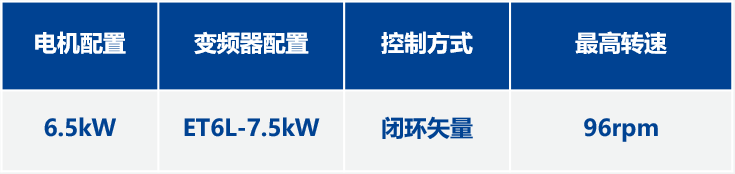
STEP Solutions: The motor uses a synchronous traction machine, achieving a full-load capacity of 1 ton, an operating speed of 1 m/s, and an acceleration/deceleration rate of 0.3 m/s². The speed-loop traction machine is equipped with a sine/cosine encoder, while position feedback is provided by a magnetic grating scale communicating via CAN with the inverter, ensuring a positioning accuracy of ±1 mm. This traction-machine solution features lower costs and greater control stability. When the dynamic leveling function is enabled, it effectively prevents the chassis from getting stuck during four-way car-to-car cargo transfer operations.
Case 2: Application Solution for High-Speed Elevators
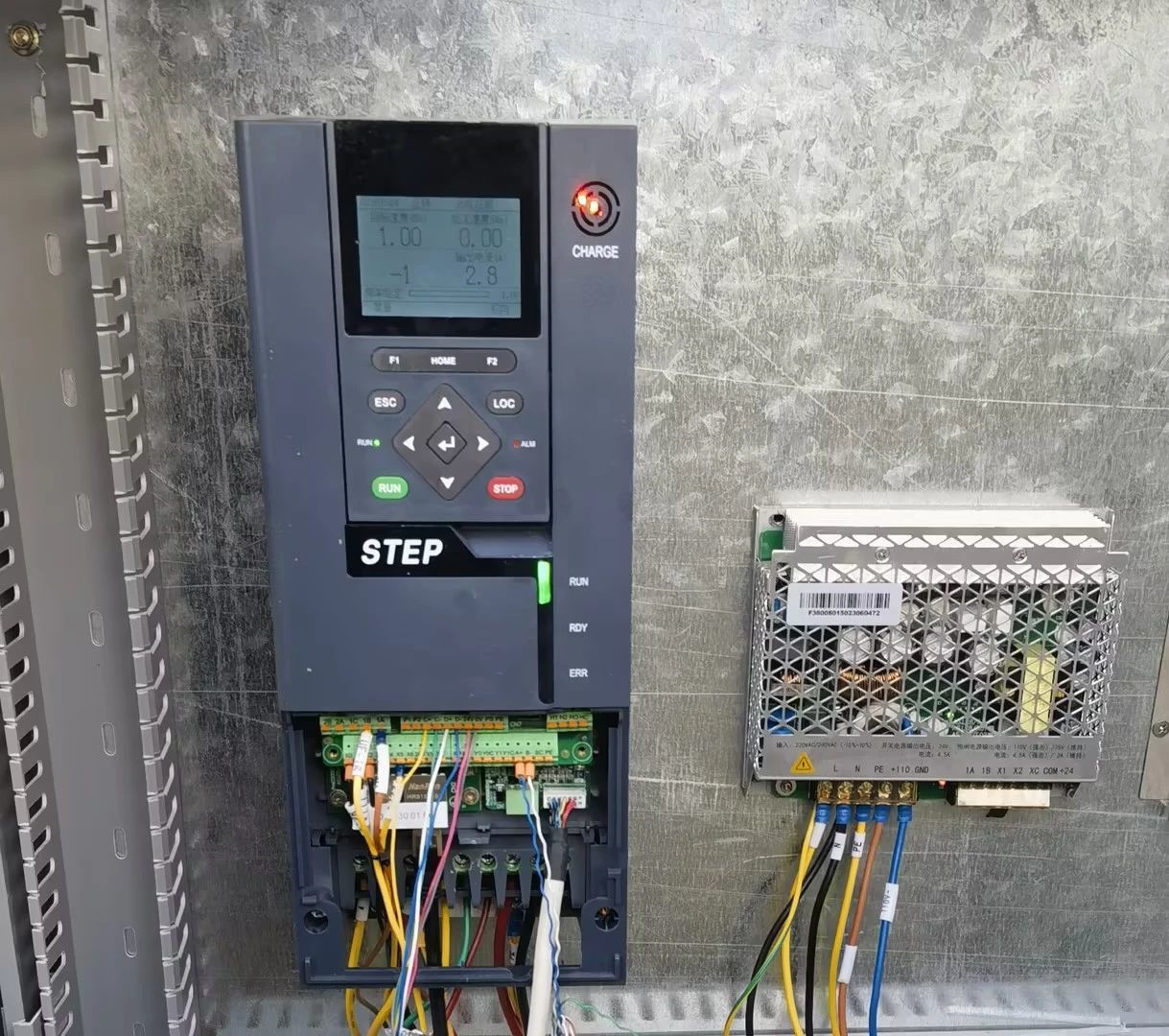
User requirements: High positioning accuracy, seamless layer changes without jamming the chassis, and enhanced safety.
Project Results: Finally, the system passed the 30 kg test involving normal production and handling, as well as the multi-layer cyclic testing with a 50 kg fully loaded test object. All performance indicators were verified to meet and even exceed those of the original system, successfully replacing the original Lenze system and earning customer approval.
STEP Solutions: SEW replacement for high-speed logistics elevators—operating at a speed of 2 m/s when fully loaded with 50 kg × 2, with acceleration and deceleration rates of 2 m/s². After the dynamic leveling function is enabled, it effectively prevents the chassis from getting stuck during four-way vehicle cargo transfers between floors. Positioning accuracy: ±1 mm. STEP brake power supply (integrated brake power supply and switching power supply): features an added enable control terminal, eliminating the need for contactors and ensuring silent operation. It automatically switches between boost voltage and holding voltage, provides input and output short-circuit protection, and includes fault output signaling.
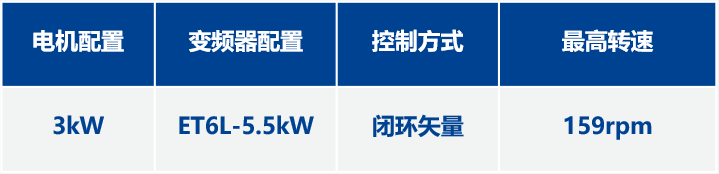
By continuously optimizing performance, enhancing reliability, and reducing costs, domestically produced variable-frequency drives have now fully replaced imported products, meeting the logistics industry’s demands for high efficiency, stability, and energy savings. This helps enterprises lower operational costs and enhance their market competitiveness.
Click to learn more: STEP ET6L Heavy-Duty High-Performance Inverter
Click to learn more: STEP Inverter Comprehensive Sample for the Logistics Industry

Contact Us
Email:
market@stepelectric.com
Address:
No. 1560, Siyi Road, Jiading District, Shanghai Municipality