
With the workforce on the production line halved, how on earth did the elevator manufacturer manage to pull it off?
2018-04-13

Right now, the nation is promoting smart manufacturing, and industrial upgrading is in full swing. Among our elevator industry partners, at least half of the personnel on production lines have been reduced. Let’s take a look at what tasks robots can handle!
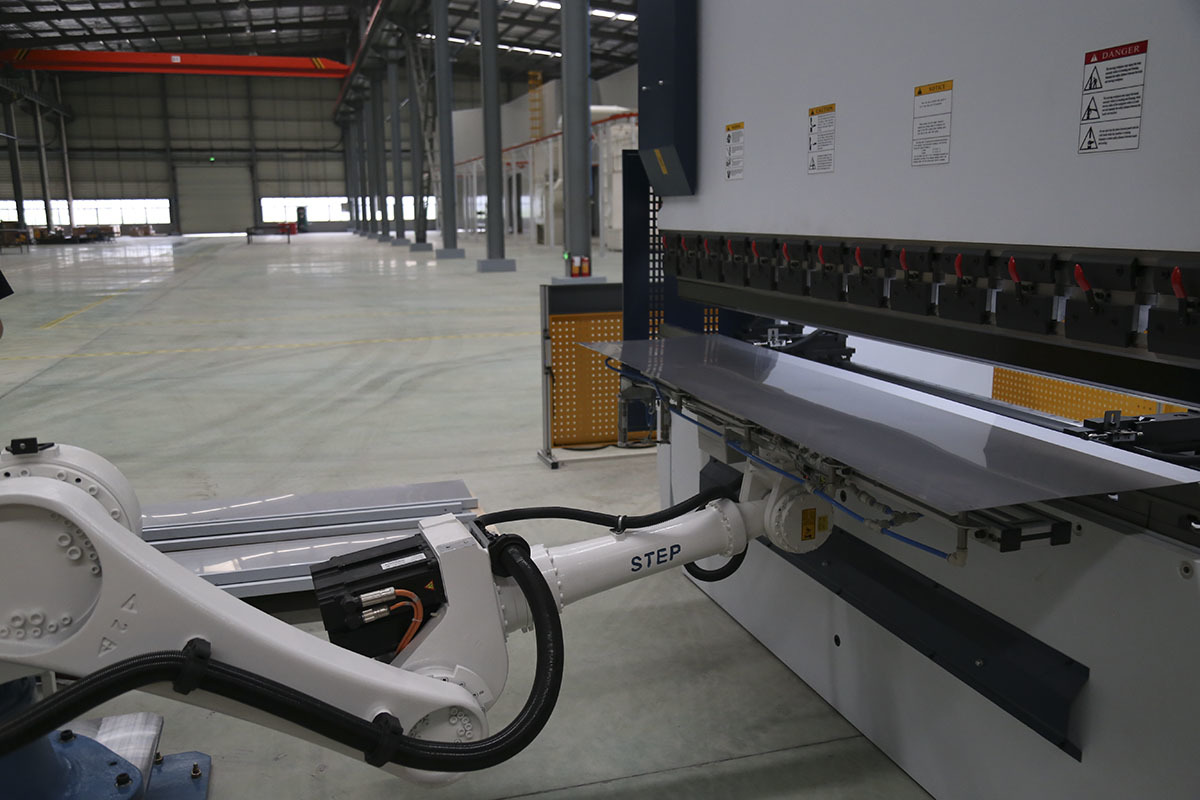 STEP Robot Bending
Bending
In the manufacturing and processing of complete elevators, with regard to sheet-metal materials, components requiring bending include door panels, door-panel stiffeners, kick plates, enclosure panels, as well as various thin and thick sheets. All these components can be efficiently and precisely automated by robots, replacing manual labor.
 STEP Robot Loading and Unloading
Loading and unloading
On the production line, robots can be seen tirelessly and repeatedly performing tasks such as receiving incoming elevator door panels, handling their movement, loading and unloading reinforcing ribs, and hanging, retrieving, and transporting door panels along the spraying line—every step is filled with the robots’ lively and enthusiastic presence.
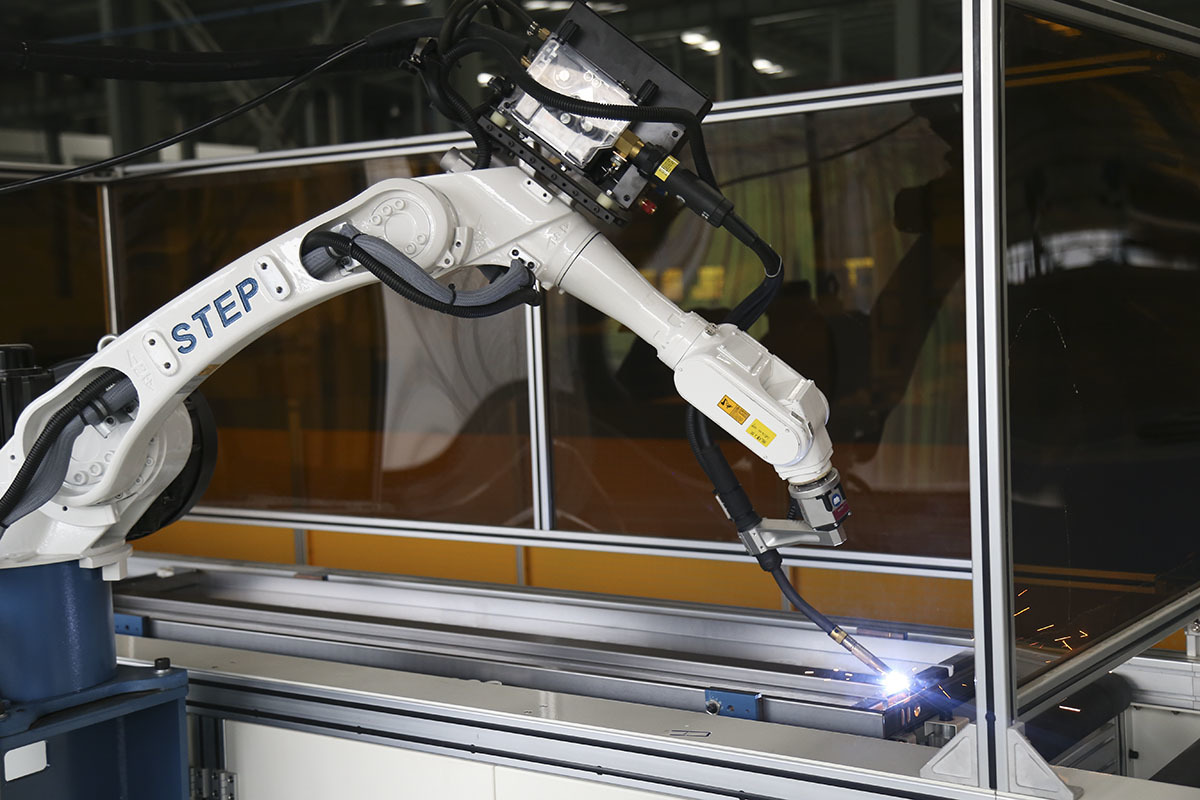 STEP Robot Welding
Welding
In elevator manufacturing, welding is undoubtedly a highly skilled craft. Welding operations are required for components such as the elevator car frame, car floor, guide rail brackets, top and bottom beams, and door frames. Robots excel at spot welding, arc welding, and riveting—performing these tasks safely, efficiently, and with unwavering dedication.

Contact Us
Email:
market@stepelectric.com
Address:
No. 1560, Siyi Road, Jiading District, Shanghai Municipality