
Shanghai’s first robotic superfactory has gone into operation, enabling “robots” to manufacture “robots.”
2021-03-24

[Shanghai News Comprehensive Channel] Shanghai’s first robotic super-demonstration factory recently went into formal operation in Jiading. The scenario—using robots to manufacture robots, a sight that once existed only in science fiction movies—is now becoming a reality.
In the 20,000-square-meter factory, you’ll hardly see any industrial workers—instead, robots are used to manufacture robots. Take, for example, the robot that makes this welding robot: each of these robots is multi-purpose. By simply picking up different tools and switching to a new set of applications, it can perform various tasks. According to the factory, by leveraging advanced hardware and cutting-edge management software to build such an intelligent manufacturing system, industrial robots can be deployed in large-scale production and manufacturing operations.
Zhang Zhenkui, Marketing Director of STEP Robot: To build this factory, we leveraged the specialized technologies for system integration used in automotive production lines, and also employed our virtual commissioning and virtual simulation technologies.
STEP Smart Factory is pioneering the development of complex discrete manufacturing—where robots independently manufacture components in different locations, and then use robots again to complete final assembly and integration. Currently, this super factory has achieved a production capacity of 10,000 six-axis industrial robots and 500 flexible robotic workstations per year. With the full-scale deployment of these robots, labor requirements can be reduced by 80%, the first-pass yield for product testing can increase by 15%, and productivity per unit area can improve by more than 30%.
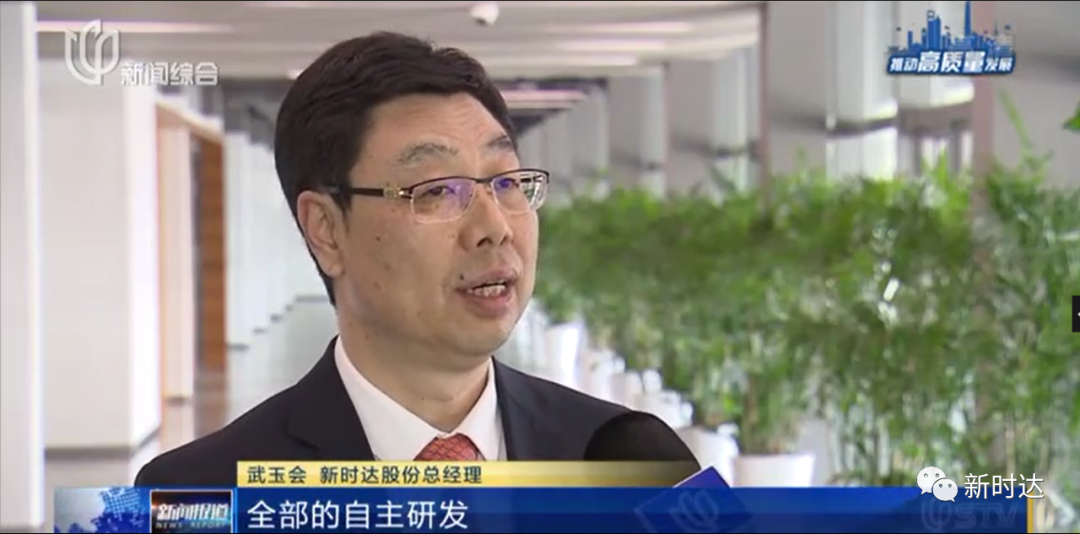
Wu Yuhui, General Manager of STEP Co., Ltd.: Building on its 26 years of technological expertise in the field of electrical control, STEP has taken the lead in achieving independent R&D of core components such as robot control systems. Additionally, it has developed other critical components and algorithms as well. As a result, the overall degree of autonomy in its robots has exceeded 60%.
By 2022, Shanghai will have built 100 demonstration smart manufacturing plants, and the first batch of 20 smart factories will all be operational within this year. (Reporters: Liang Weihao, Shen Jiajun)
Previous:

Contact Us
Email:
market@stepelectric.com
Address:
No. 1560, Siyi Road, Jiading District, Shanghai Municipality