
March 15: Protecting Investors’ Legal Rights and Interests—We’re Taking Action—Visiting the Listed Company STEP
2021-03-17

Leading Investment with Values: The 2021 “Investors Visit Listed Companies” Series—A Special Event for the 3·15 Consumer Rights Protection Day and a Special Episode of “Investors Visit Listed Companies” featuring STEP. (Source: Panorama Network, Shanghai Association of Listed Companies)
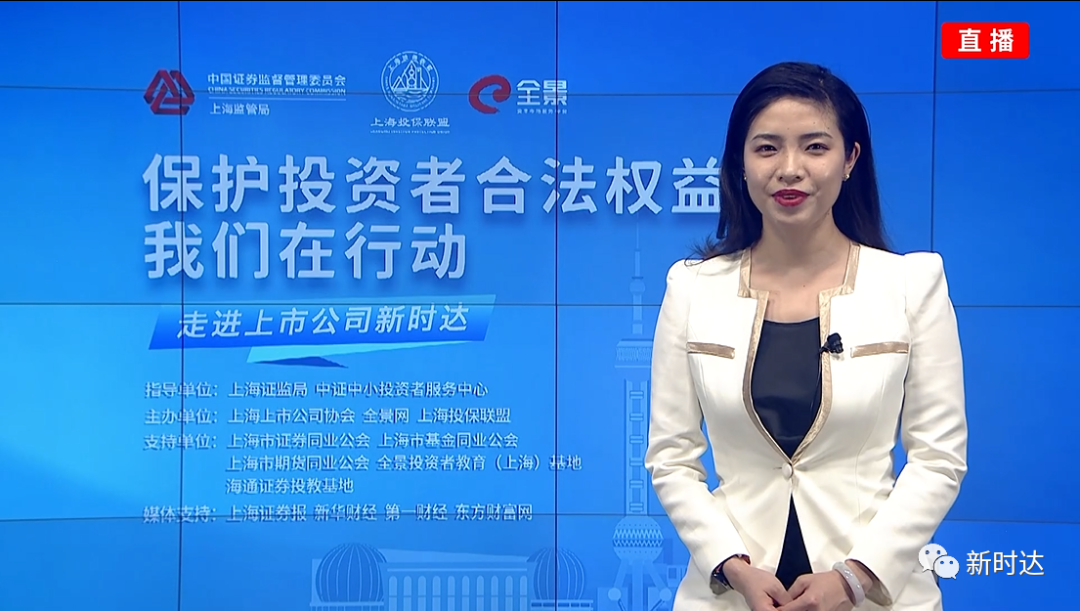
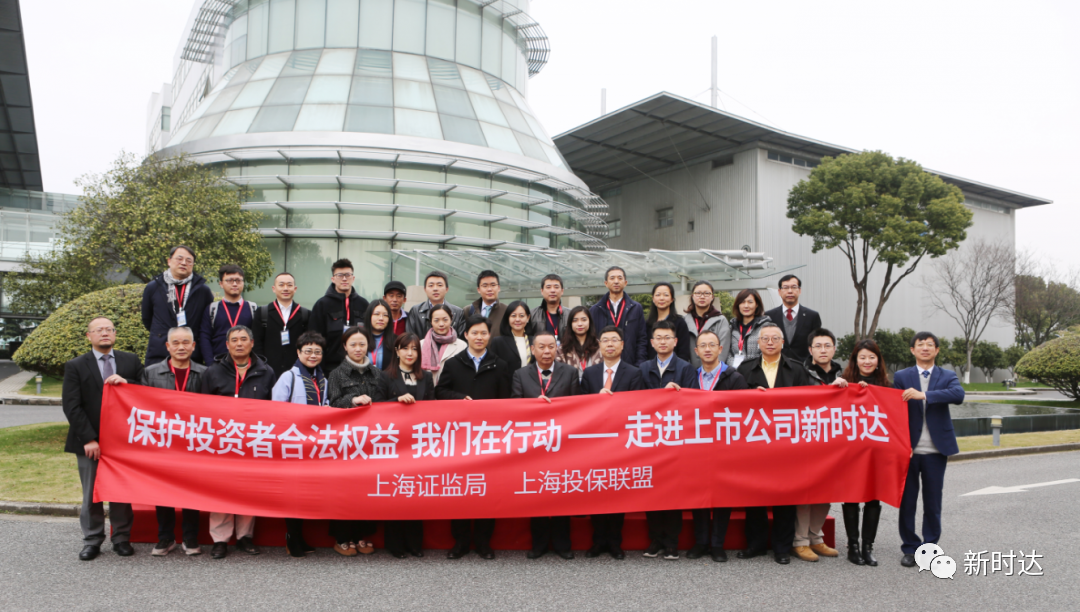
This event is jointly hosted by the Shanghai Listed Companies Association, Panorama Network, and the Shanghai Investor Protection Alliance. Leaders from the Shanghai Securities Regulatory Bureau, the Shanghai Listed Companies Association, the Shanghai Securities Industry Association, the Shanghai Fund Industry Association, and the Shanghai Futures Industry Association, as well as senior executives from STEP Company, along with individual investors, securities firms, fund representatives, and representatives from listed companies, all attended the event.
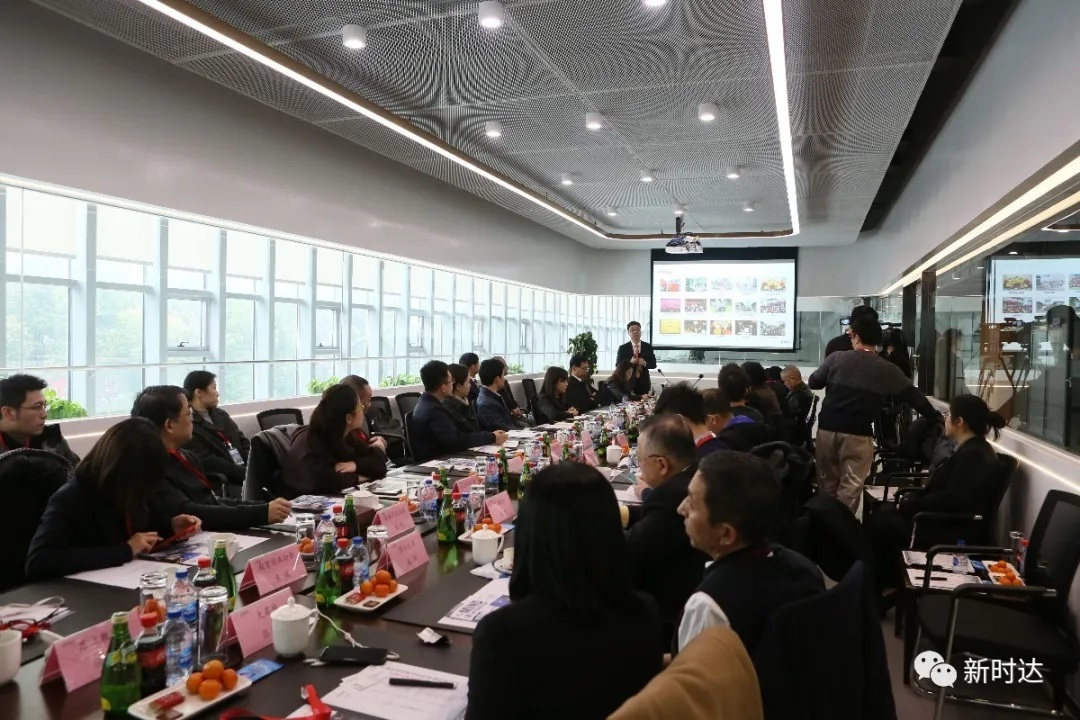
Event venue
Yang Lisha, Deputy General Manager and Board Secretary of STEP She chaired the event for the day. First, she expressed gratitude for the “3·15 Protecting Investors’ Legal Rights and Interests—Walking into Listed Companies” event, organized by the Shanghai Insurance Protection Alliance, the Shanghai Listed Companies Association, and AllView Network, under the guidance of the Shanghai Securities Regulatory Bureau, and held at STEP.
Tong Wei, Director of the Insurance Protection Division of the Shanghai Securities Regulatory Bureau In his speech, he stated that the Shanghai region, as an international financial center, has always attached great importance to investor protection efforts. Last October, 31 organizations—including the China Securities Regulatory Commission’s Shanghai office, relevant Shanghai government departments, universities, media outlets, investor education bases, and industry associations—jointly established the Shanghai Investor Protection Alliance, aiming to create a regular platform for communication and collaboration in investor education and publicity. In December 2020, the Shanghai Municipal Government officially issued the “Several Measures for Promoting the Enhancement of the Quality of Shanghai Listed Companies.” This initiative of visiting listed companies provides a platform for direct face-to-face exchanges between listed companies and investors, representing an excellent step toward putting investor protection into practice.
Ji Yi, Chairman of STEP We welcome visits from investors and representatives from various sectors. She stated that STEP is a leading enterprise in China’s intelligent manufacturing sector, closely following the nation’s policy guidance. Building on its existing expertise and experience in elevator variable-frequency drives and control technologies, the company is expanding and extending its business into robotics and intelligent manufacturing, and is undergoing a transformation toward high-quality development driven by informationization and intelligence. In terms of management, STEP continues to enhance its management standards, operational efficiency, and profitability. We hope to reward STEP shareholders and investors—and contribute positively to society—through even better performance.
Wu Yuhui, Director and General Manager of STEP We briefed investors on the development of STEP. He stated that STEP is gradually entering a second phase of entrepreneurial growth. In 2020, both its sales revenue and operating profit achieved double-digit growth. In the elevator control systems sector, STEP is a global leader and is also steadily becoming a leading brand in China’s intelligent manufacturing industry. Our desktop robots continue to rank among the world’s top three, playing a particularly significant role in the 3C market.
Since its IPO, STEP total R&D investment has exceeded 1.3 billion yuan, with annual R&D spending consistently above 200 million yuan in recent years. It is precisely due to these years of sustained investment that STEP has consistently remained at the forefront of the products and technologies needed for China’s manufacturing sector. When China didn’t yet have dedicated computer systems for elevators, STEP developed China’s first elevator-specific computer based on a CAN bus with independent intellectual property rights. Similarly, when China lacked specialized frequency converters for elevators, STEP was among the earliest companies to undertake independent R&D—its source code is entirely its own. Today, as motion-control servo technology is rapidly advancing, STEP has devoted significant resources to independent R&D, aiming to match the standards set by international brands. In the robotics field, STEP was also one of the first companies to make substantial R&D investments. Currently, its palletizing robots have achieved a cycle time exceeding 1,200 packages per hour, placing its technology on par with that of leading international brands.
We are gradually establishing a global market presence, particularly in the more dynamic coastal regions, where we have set up our own offices. Our sales network now covers all of China’s key industrial cities, enabling us to vigorously promote our products across the entire market. At the same time, our overseas sales teams have made significant contributions, ensuring that STEP products are available in over 100 countries worldwide. We have now completed the overall development of our advanced manufacturing technology infrastructure. Last year, China announced an industrial layout for smart manufacturing covering 31 cities, and STEP will closely align with this strategic framework to achieve rapid growth in the field of intelligent manufacturing.
STEP goal is to become a century-old enterprise—a vision deeply rooted in the aspirations of our founder. As we transition from founder-led management to manager-led operations, we regard corporate governance structure as our top priority. In accordance with national laws and regulations, we have been continuously refining our company’s governance system. We warmly welcome your valuable suggestions on this matter.
Zhao Zhiyong, Gold Medal Analyst in the Machinery Industry, Changjiang Securities Speaking. Since I started working in 2007, the entire structural system has undergone significant changes. Back then, STEP left an impression on us as a leading player in the elevator industry—or rather, as a company specializing in automated industrial control systems. But now, I’d say that we’re even more accurately described as a domestic core leader in the smart manufacturing sector.
In the A-share market, it’s rare to see a company that can comprehensively cover everything from core components and robot bodies all the way to downstream application integration. STEP is probably one of the few companies in the entire A-share market that offers a complete end-to-end solution—from components to final application integration.
Zhuang Wei from Haitong Securities Co., Ltd. delivered a speech. With the active promotion of our Shanghai Bureau and the Listed Companies Association, this initiative of visiting listed companies has steadily deepened in scope and sophistication. Roughly five or six years ago, we began participating in this activity, gradually moving from basic industries to high-end sectors—enabling our investors not only to open their eyes and start investing in this market but also to make informed and transparent investment decisions.
Jiang Wei, from Shanghai Yuyuan Tourism Mall (Group) Co., Ltd., delivered a speech. STEP is a company that aligns with the nation’s industrial policies. It remains down-to-earth and dedicates all its energy to real-sector innovation, pursuing intelligent development and smart manufacturing in line with national industrial guidelines. As a peer in the industry, I wish STEP every success and hope it can deliver strong returns to its investors.
Yuan Yi, Secretary-General of the Shanghai Listed Companies Association, delivered a speech. We organize numerous investment activities in listed companies every year, and this one feels particularly satisfying to us. We’ve mobilized resources from all quarters to gain access to this listed company. What impressed me most about STEP is that the company places great emphasis on standardization and has a well-structured governance framework. It truly focuses on solid, down-to-earth business practices and real industry development.
At the meeting, investor representatives raised questions on topics including STEP repurchase of shares for equity incentives, the connection between 5G and the industrial robotics industry, and STEP reserves in 5G technology. Senior executives from STEPeng present at the meeting provided detailed answers to each question.
STEP Robot Factory is one of the first 20 smart manufacturing factories in Shanghai, and also Shanghai’s first robot manufacturing plant. Investors attending the event toured STEP intelligent robot factory.
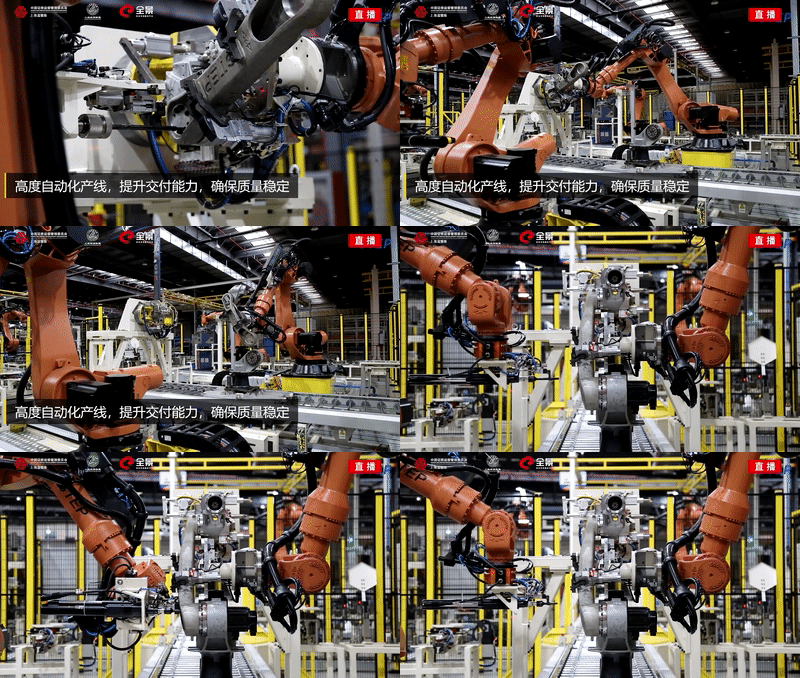
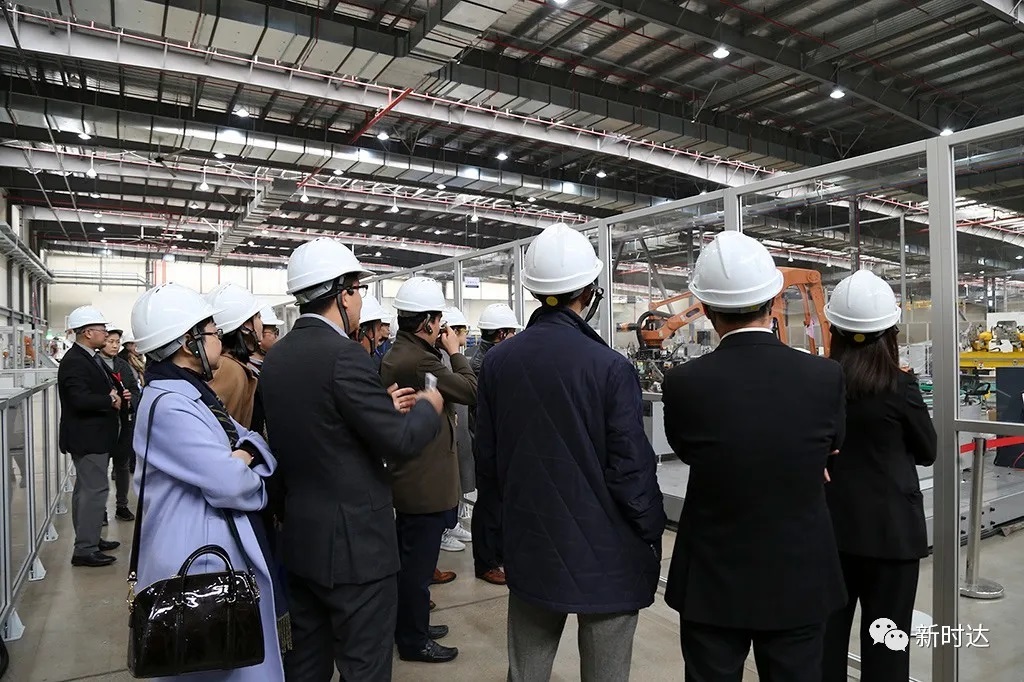

Visit the STEP Robot Intelligent Factory
 Step into the STEP Event
Ji Sheng, a mechanical industry analyst at Haitong Securities. Let me briefly introduce China’s industrial robotics industry as well as the company STEP. Our key conclusion is that industrial robots are driven by four core factors, and downstream demand is showing signs of marginal recovery. In this round, domestic Chinese companies and brands are poised to take the lead in driving import substitution.
The smart manufacturing sector in our country is a tremendously large industry, with a scale approaching 2 trillion yuan—up from 1.75 trillion yuan in 2018. Its growth rate has also been exceptionally rapid: from 2013 to 2018, it grew by roughly 21.7%. Industrial robots represent one of the key applications and major components within this sector. Positioned in the midstream of the industrial value chain, industrial robots are supported upstream by what we call the “three core components”: servo systems, reducers, and controllers; and downstream by various application fields such as welding, painting, and material handling. Among these, industrial robots are most prominently used in the automotive and electronics industries. In 2020, China’s industrial robot production increased by approximately 26.8%, demonstrating remarkably strong growth. Despite the challenges posed by the pandemic, China’s industrial robot market size reached nearly 40 billion yuan, with an annual compound growth rate that remains exceptionally high—at around 16 percent.
The second area is the industrial robotics industry. The main reasons we’re optimistic about it lie in four core driving forces. The first driver is what many of you are probably already familiar with: the substitution of humans by robots. As China’s demographic dividend fades and labor costs rise, the trend of replacing human workers with robots has attracted tremendous attention in recent years. As our data show, China’s natural population growth rate has been declining year after year—by 2019, it had fallen to around 0.33%. Meanwhile, in China’s manufacturing sector, per capita income continues to rise, while the prices of industrial robots are falling rapidly. This creates a widening gap between these two trends. We believe that the era of robot substitution is just beginning and will accelerate even further in the future. The second point is that the density of industrial robots in China still lags significantly behind that of developed countries abroad; China’s penetration rate of industrial robots remains quite low. The third point is import substitution: China now accounts for roughly 41% of global industrial robot consumption, making it the world’s largest consumer market. However, the domestic production rate of industrial robots—in particular, high-end industrial robots—remains very low.
The last factor is the strong support from national policies. Several leading companies in the industrial robotics sector have been continuously going public, and the state has established three major funds, with a total combined size of roughly 170 billion yuan. These investments cover areas such as industrial robotics—take, for example, STEP Intelligent, which is a subsidiary of STEP itself. Thus, the state provides robust support for the development of the industrial robotics industry—from financial resources to capital markets, including equity and debt financing. As a result, the industry enjoys very positive prospects. Currently, industrial robotics is benefiting from both import substitution and strong downstream demand. Particularly encouraging is the rapid recovery seen in the automotive and 3C industries since the pandemic. We believe that downstream demand is now showing clear signs of marginal improvement, making it highly likely that domestic companies will seize this opportunity to achieve rapid growth and ultimately realize import substitution.
Finally, let’s take a look at the leading domestic company—STEP. We believe it’s the frontrunner in China’s industrial automation sector—not just in industrial robotics, but also in upstream areas such as motion control and core industrial-control components. We think STEP business revolves primarily around intelligent control and variable-frequency drives. Its main business segments cover four key areas: first and foremost, the industrial-robotics segment; the elevator segment; core components for industrial robots; and segments related to industrial control and motion control.
In the past, STEP has also maintained relatively strong growth. From 2011 to 2019, its revenue achieved a compound annual growth rate of roughly 23%, which was quite rapid. It’s worth noting that STEP has a very high R&D expenditure ratio—its R&D investment has been around 5% in recent years, particularly since 2017. For a manufacturing company, an R&D investment ratio of 5% is still fairly substantial. Therefore, we believe STEP heavy investment in R&D and its strategic focus on upstream core components are entirely justified. Moreover, we’re optimistic that STEP will play a key role in helping domestic industrial robot companies achieve import substitution, as we’ve just discussed.

Contact Us
Email:
market@stepelectric.com
Address:
No. 1560, Siyi Road, Jiading District, Shanghai Municipality