
Before renovating old elevators, make sure you keep these points in mind!
2024-12-02

In the previous article, we learned about five key indicators that signal the urgent need for elevator upgrades, such as: elevators that have been in use for over 10 years, frequent elevator breakdowns, noticeable vibrations during operation, and rapid downward or upward movement during elevator operation.
“5 Major Signs That Your Elevator Needs an Upgrade or Renovation!”
So, if we’re going to renovate and upgrade the elevator, who will foot the bill? Who will take on the project? What will the construction timeline be? And are there any other considerations we should keep in mind? Today’s article is sure to be helpful to you.
Q1: Who will pay for the elevator renovation costs?
1. Public maintenance fund for buildings
When selling commercial housing, buyers and the seller shall sign an agreement regarding the payment of the maintenance fund. Buyers shall pay the maintenance fund to the seller (developer) at a certain percentage of the purchase price. The maintenance fund collected by the developer is jointly owned by all homeowners and is not included in the revenue from residential sales.
According to the “Administrative Measures for Special Repair Funds for Residential Buildings,” issued under Ministry of Construction and Ministry of Finance Order No. 165: The construction (real estate) authorities of municipalities directly under the central government, cities, and counties shall, based on local conditions, reasonably determine and publicly announce the amount of the initial special repair fund per square meter of building area, and adjust it as appropriate. In general, the housing repair fund is managed by the administrative authority responsible for real estate; once the owners’ committee is established, the public repair fund will be transferred to the owners’ committee, which will then exercise management authority over it.
2. National policy funds for trade-in programs—supported by ultra-long-term government bonds issued by the National Development and Reform Commission
The National Development and Reform Commission and the Ministry of Finance have issued the "Several Measures for Further Strengthening Support for Large-Scale Equipment Upgrades and Trade-In Programs for Consumer Goods." These measures allocate special funds from ultra-long-term special government bonds to support large-scale equipment upgrades, significantly boosting support for equipment modernization. The scope of support has been expanded to include equipment upgrades in sectors such as energy and power, aging elevators, as well as energy-saving, carbon-reduction, and safety upgrades in key industries.
3. Special funds or budgets of enterprises and institutions
Net assets specifically allocated and set aside by enterprises and institutions in accordance with regulations for the purpose of elevator renovation and upgrading.
4. Special subsidies from local governments
In March 2024, the State Council issued the “Action Plan for Promoting Large-Scale Equipment Upgrades and Consumer Product Trade-In Programs.” In the section titled “Accelerating Equipment Upgrades in the Construction and Municipal Infrastructure Sectors,” the plan explicitly states that, in line with the development of a new type of urbanization and in conjunction with urban renewal and renovation of old residential communities, equipment upgrades and renovations—focusing particularly on residential elevators—should be promoted in a categorized manner. Local subsidy standards have been successively introduced. As an example, in April 2024, the “Shanghai Action Plan for Promoting Large-Scale Equipment Upgrades and Consumer Product Trade-In Programs (2024-2027)” proposed: “Implement, on a rolling basis, safety assessments and categorized upgrades and renovations for aging residential elevators that have been in use for more than 15 years.”
5. Self-financing by the business and fundraising by the property owner
Case Study Reference: Composition of Funding Sources for Elevator Renovation Projects in Different Cities and for Various Types of Buildings (All projects are with STEP customers)
1. A commercial building in Shanghai
Project Status: Major renovation of 5 elevators
Funding Source: The owner will raise funds for the major renovation. After submitting the application to the local housing authority for review and obtaining approval, construction preparations can begin. Upon completion, the product specifications, parameters, and dimensions must be verified. Only after passing the overall completion acceptance inspection and meeting the contractual payment terms will the final payment be made.
2. A mansion in Xi'an
Project Status: Major renovation of 4 elevators
Funding Source: The homeowners’ committee proposed replacing the elevators and initiated a public referendum. Ninety percent of the homeowners approved using the building’s repair and maintenance fund for the replacement of four elevators. After the local housing authority reviewed and approved the fund application, the necessary funding was officially authorized, and an open tender was launched. Once the winning company secured the contract, it provided the full payment upfront. Upon completion of the elevator installation and acceptance inspection, the Repair and Maintenance Fund Management Center will disburse 90% of the funds, reserving 10% as a quality guarantee deposit. The remaining balance will be paid in full once the warranty period expires.
3. A residential community in Dalian
Project Details: Major Renovation of 48 Elevators
Funding sources: 70% comes from the building’s public maintenance fund—50% is paid before construction begins, and 40% is paid after acceptance; the remaining 10% is self-funded by the property owners.
Q2: Is the price of elevator renovation expensive?
While price is certainly important, it must never be the sole or primary criterion for evaluating elevator renovations. After all, this concerns the safety of your wife, children, and elderly family members—people who rely on these elevators daily—or scenarios involving frequent use. As a piece of equipment regulated by the state through a specialized Law on Safety of Special Equipment, elevator safety should always be given top priority.
As mentioned earlier, in most regions it is now clearly stipulated that funds for elevator renovations can be drawn from the special housing repair fund or, in accordance with relevant management regulations, shared among property owners. Meanwhile, governments in many localities are also providing financial subsidies to support the renovation of aging elevators. Therefore, when selecting products and solutions, the reputation, suitability, and durability of core equipment are crucial factors.
Q3: How long does the elevator renovation construction take?
1. Overhaul and modification of non-durable core components
The actual construction period typically takes only 1 to 3 days to complete. Additionally, including the application for commencement of special equipment, on-site construction, and construction acceptance by the regulatory authorities, the entire process generally requires 3 to 7 days—a relatively short timeframe.
2. Comprehensive upgrade excluding durable mechanical components
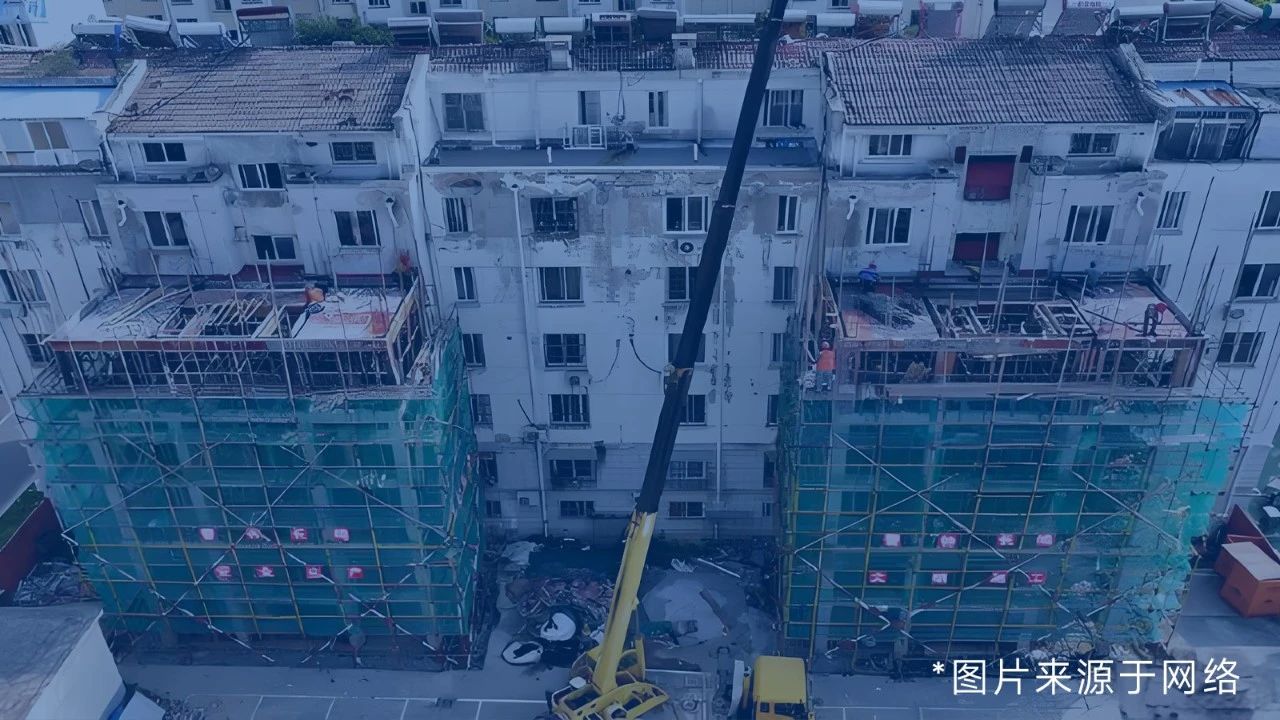
The actual implementation period is approximately 15 to 25 days, covering the submission of the commencement report, on-site construction, and submission for acceptance. However, due to the large number of components to be replaced and the extensive demolition and installation work involved, the total duration will be around three weeks. The site will need to provide designated areas for material storage and implement appropriate management measures to prevent other safety issues arising from the construction activities.
Q4: What are the most important pitfalls to avoid when signing a contract?
1. Be sure to include details such as the warranty period and maintenance services.
Elevators are electromechanical integrated devices that require long-term maintenance and servicing. The product’s warranty period and maintenance services are essential components of an elevator upgrade and renovation contract; we must absolutely avoid focusing solely on closing the deal and instead pay close attention to all subsequent matters.
2. Be sure to include agreements on safety measures, etc.
Whether it’s a renovation or a repair, safety measures at the construction site must be fully implemented. In addition, reasonable agreements and management are also required to address issues such as noise, dust, and material storage.
Q5: What are the most important pitfalls to avoid when signing a contract?
1. Strictly inspect “invisible” components and equipment.
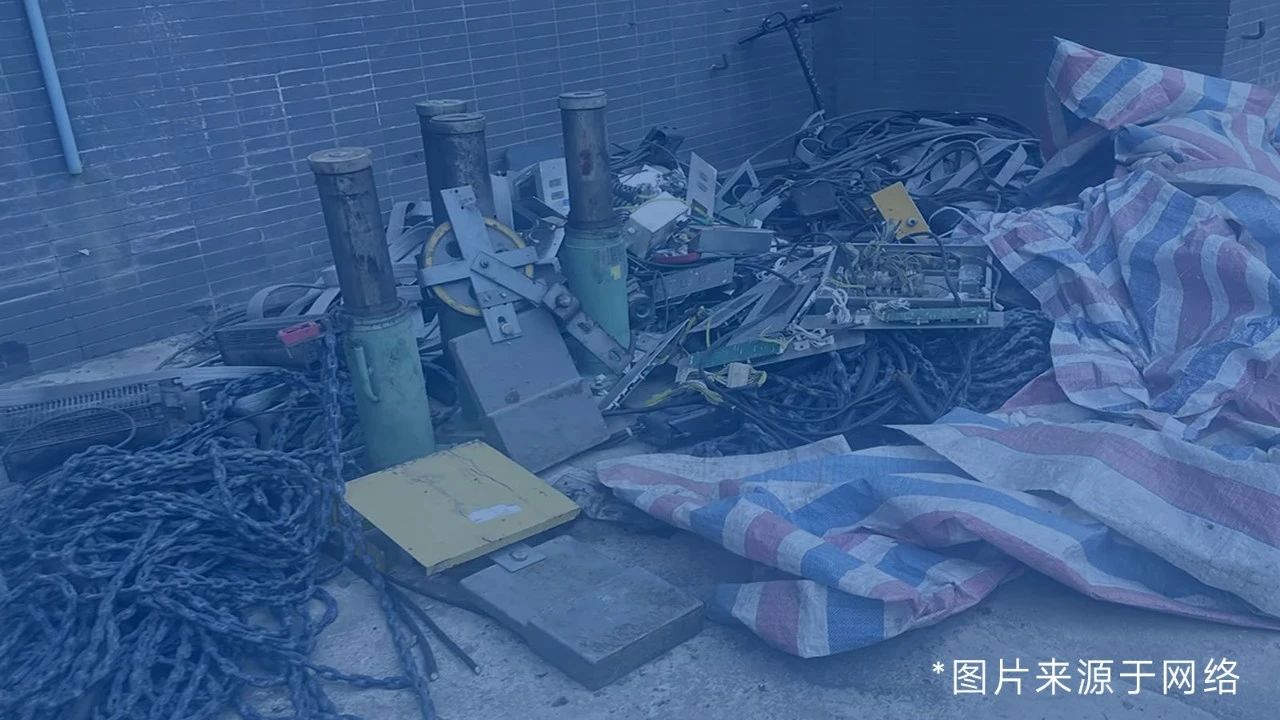
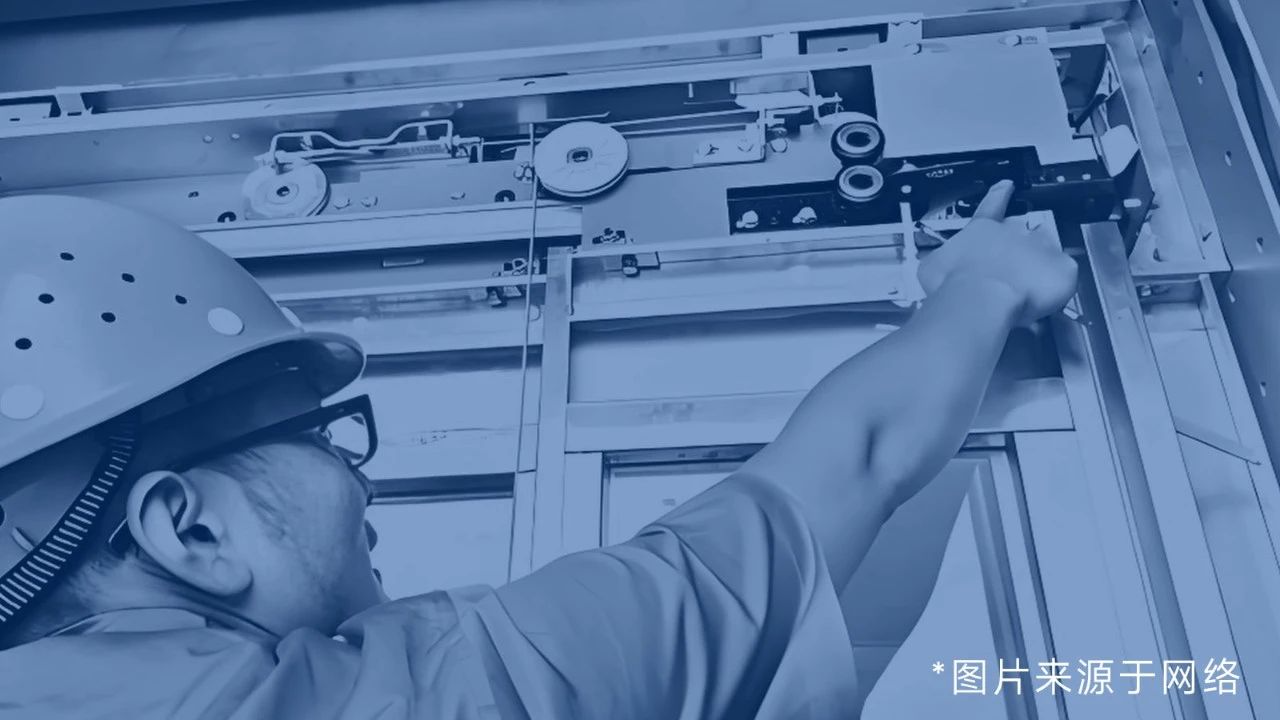
In addition to the visually apparent components such as the car, the core equipment of an elevator also encompasses several other aspects, including the electrical system, the master control system, the human-machine interface system, the cable system, the door machinery system, and auxiliary equipment for the hoistway. The quality of these components is of paramount importance, directly affecting the safe operation and service life of the elevator.
2. Clearly define quality requirements
Therefore, during the design, manufacturing, installation, and maintenance of elevators, it is essential to ensure that all components meet high-quality standards, thereby providing passengers with safe, comfortable, and reliable vertical transportation services.
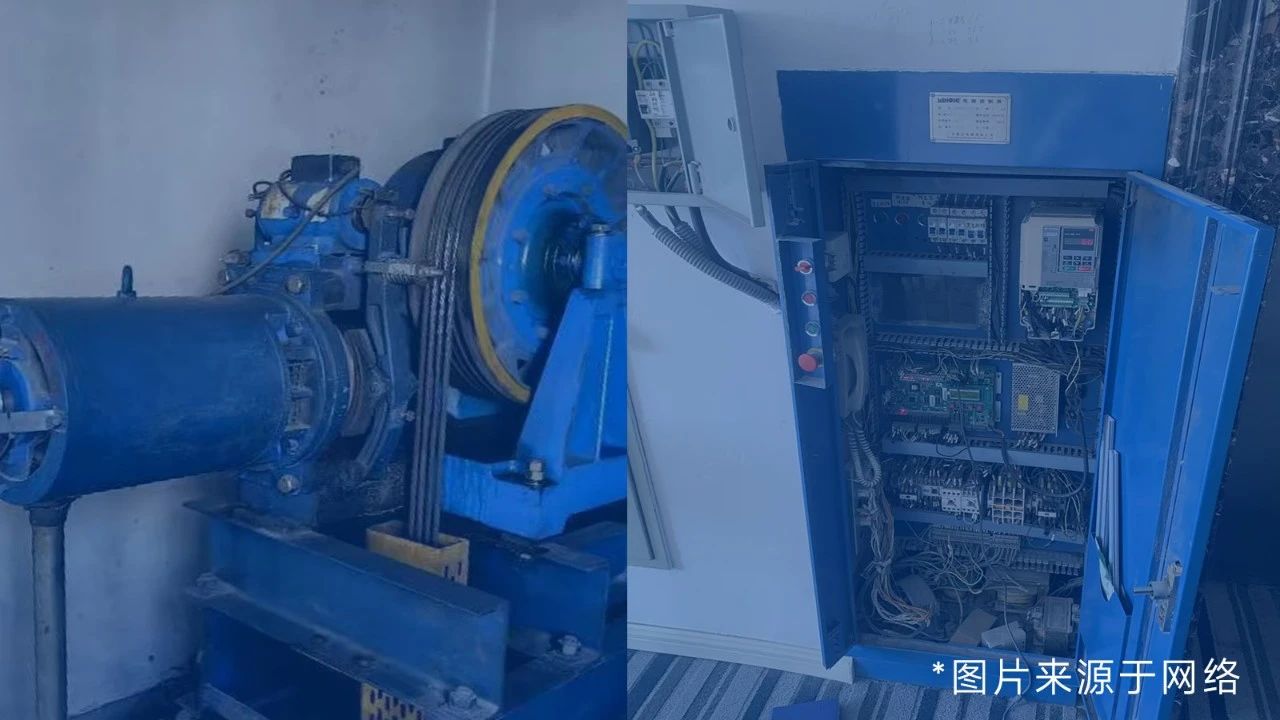
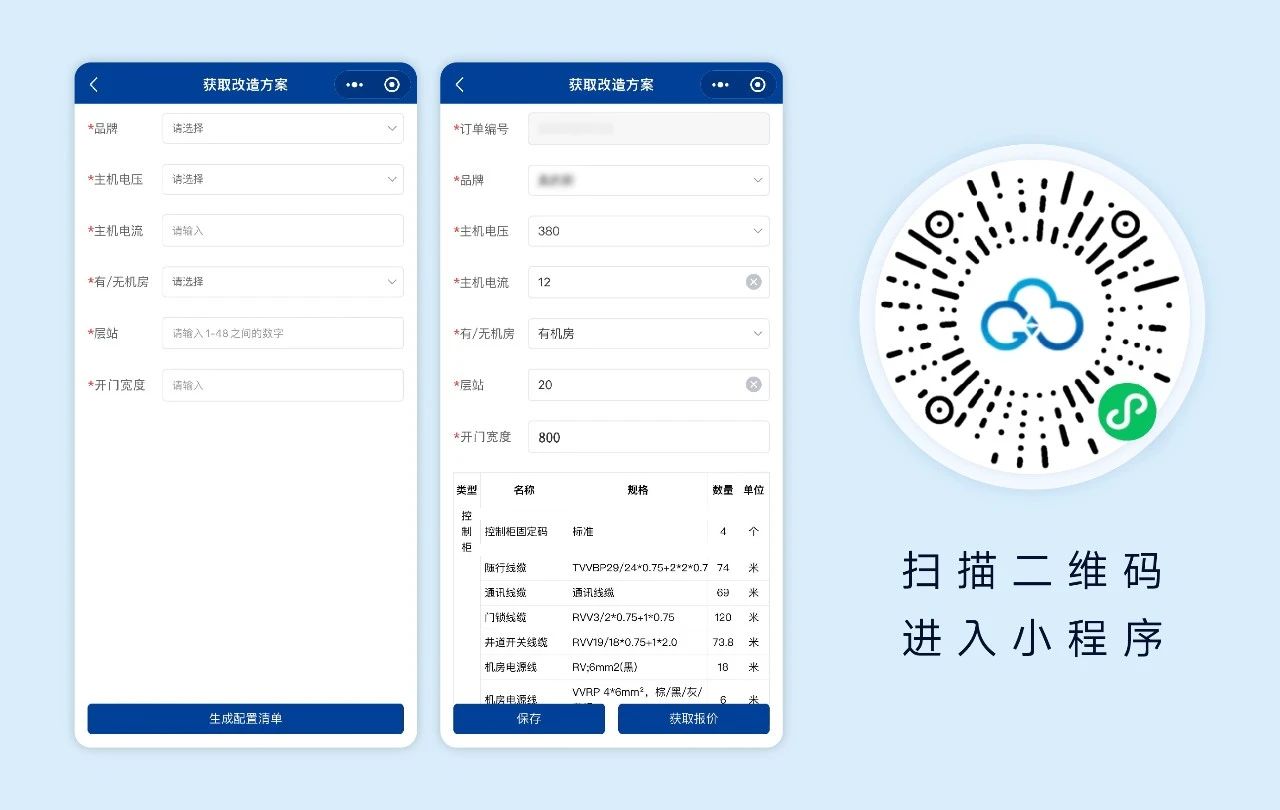
As the expert with the most elevator renovation solutions, STEP boasts extensive experience and a professional technical team in elevator renovation. To help more users who have needs for elevator renovation, we’ve now launched our service. “STEP Digital Elevator” mini-program , can Get the standard renovation plan for free. 。

Contact Us
Email:
market@stepelectric.com
Address:
No. 1560, Siyi Road, Jiading District, Shanghai Municipality