
National Low-Carbon Day | STEP Moves Toward “Green” and Smartly Shapes the Future
2024-05-17

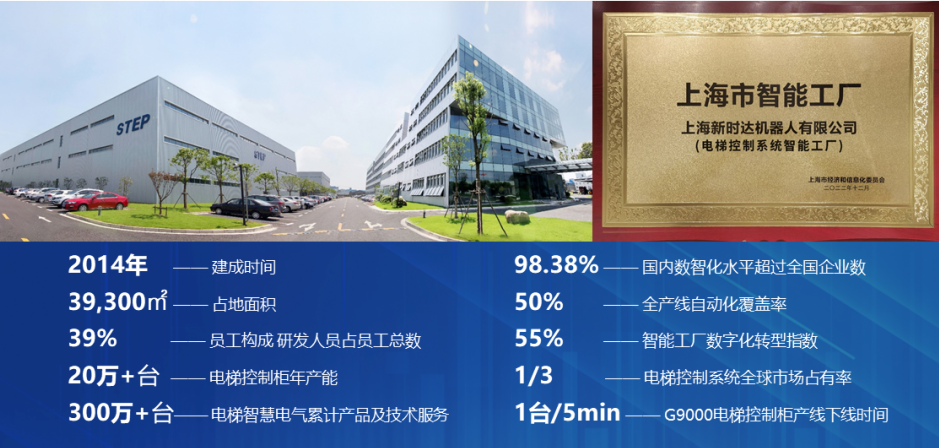
The intelligent factory for STEP Elevator Control Systems was officially completed and put into operation in 2014, located in Nanxiang Town, Jiading District, and is equipped with... Robots, AGVs, automated warehouses, and sorting systems and high-level automation systems EMES, WMS, SRM, CRM With the implementation of digital and intelligent systems, we have achieved end-to-end, full-process smart manufacturing, significantly enhancing product quality and delivery capabilities. The annual production capacity of elevator control cabinets has reached over 200,000 sets. In 2023, this factory was recognized as a Smart Factory by the Shanghai Municipality.
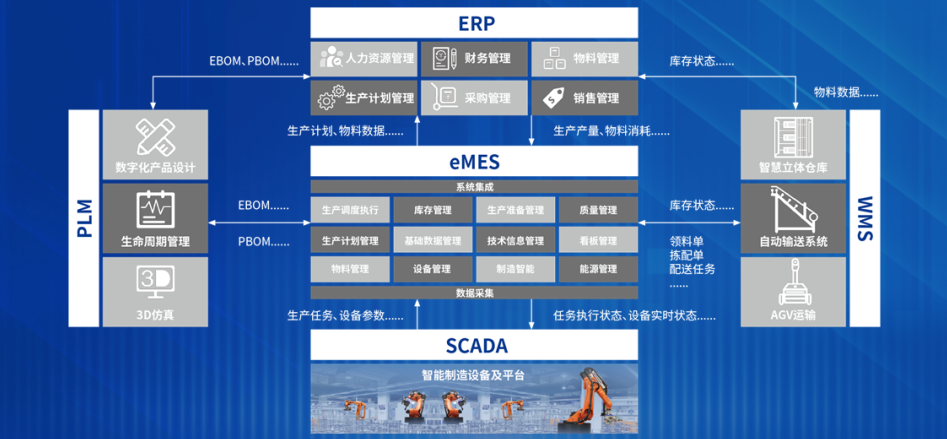
Smart Factory System Architecture Diagram
STEP Elevator Control System Smart Factory Leveraging STEP self-developed eMES energy consumption monitoring platform Effectively addresses current shortcomings in energy management for enterprises, providing enterprise managers with an intelligent monitoring system that integrates energy consumption and carbon emissions data, enabling them to gain a clear understanding of their own energy consumption patterns. It also offers an intelligent decision-support system for energy efficiency optimization and low-carbon development, helping enterprises improve their energy efficiency and reduce carbon emissions. Furthermore, through measures such as peak-valley regulation, demand-side management, demand response, and energy conservation and consumption reduction, the system helps enterprises lower their energy expenditure.
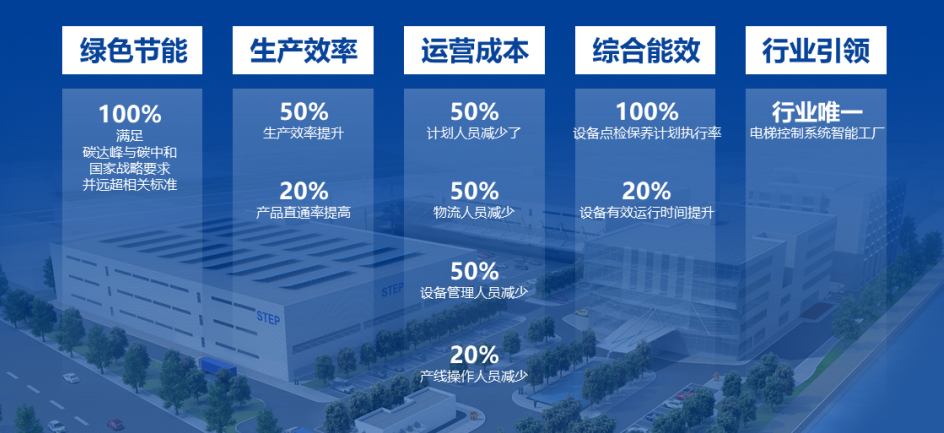
Factory construction achievements
01 Feature Introduction – Device Management
A management information system that covers the entire lifecycle of equipment—from installation and use all the way through decommissioning—and enables efficient equipment management through handheld terminals for equipment inspections and inventories, thereby enhancing the utilization rate of equipment throughout its lifecycle.
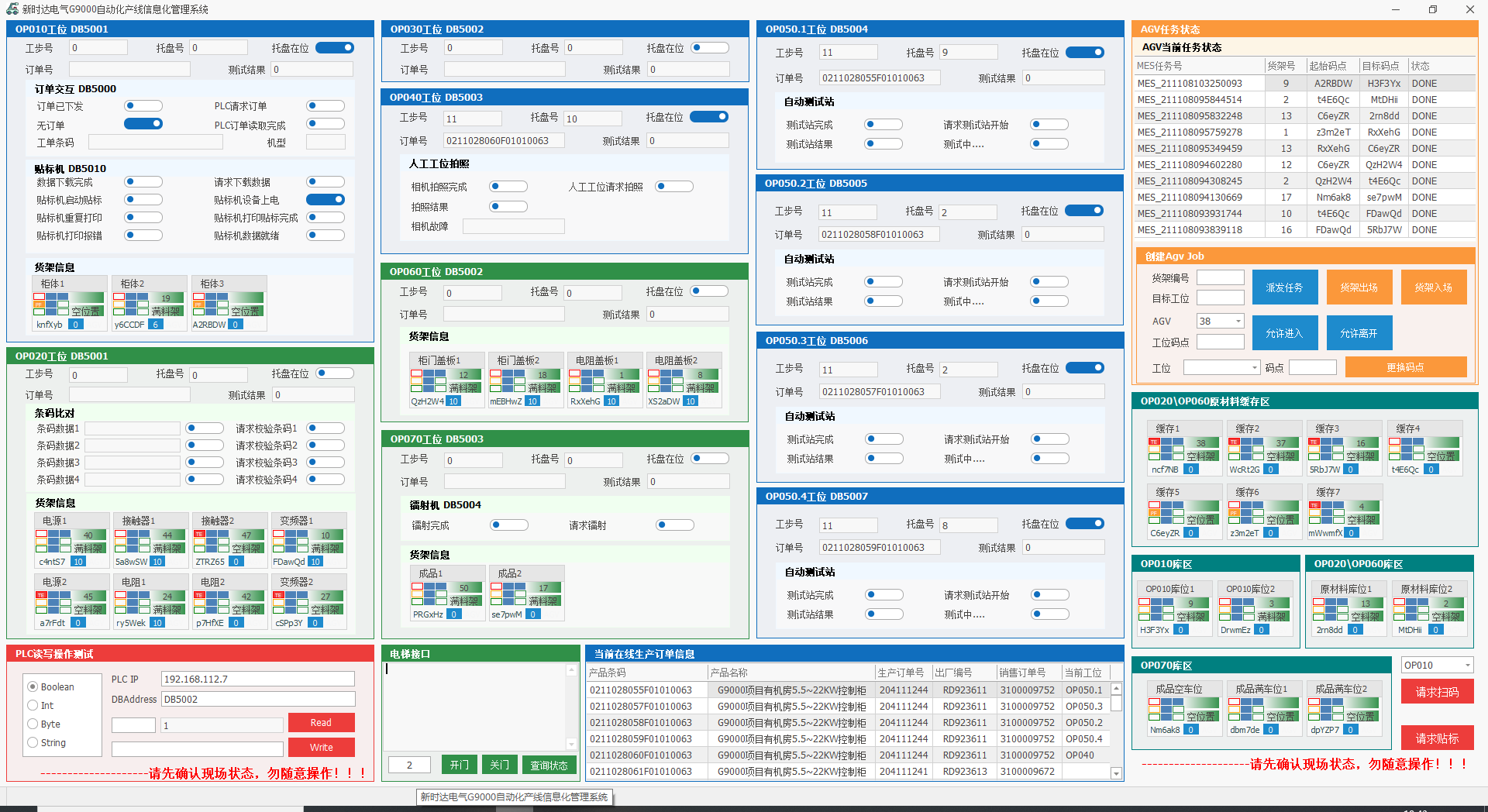

02 Feature Introduction – Payload Monitoring
Monitoring of load systems for lighting outlets, air conditioning power consumption, special-purpose electricity usage, and power equipment; unified management of electrical energy; support for the integration and centralized management of various power transmission devices, power consumption devices, and distributed generation equipment in the low-carbon era.
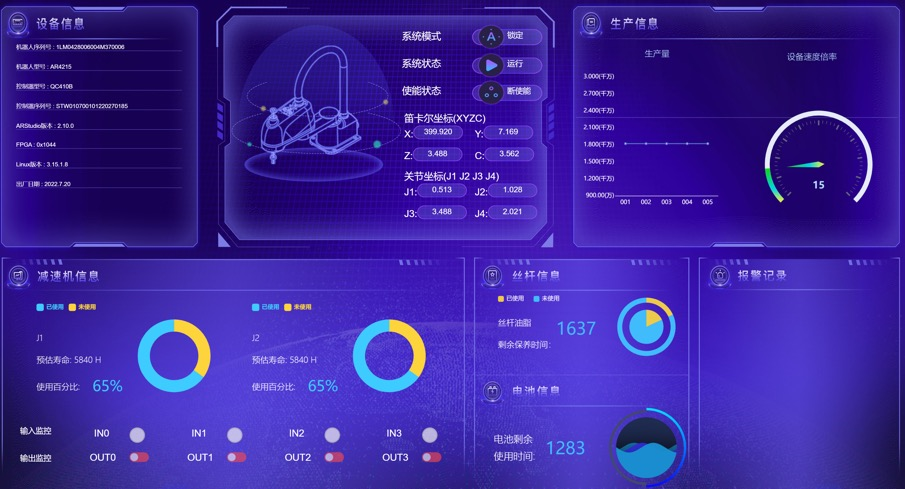
03 Feature Introduction – Kanban Display
The energy operation status of smart factories can be visually presented through digital models and 2.5D models in the form of intuitive graphics and charts, enabling managers to make informed decisions and conduct analysis. By leveraging big data, we can achieve comprehensive collection and centralized processing of dispersed data. Combined with professional energy-use optimization and control measures as well as operations and maintenance services, this approach enables the realization of integrated energy-saving and carbon-reduction benefits.
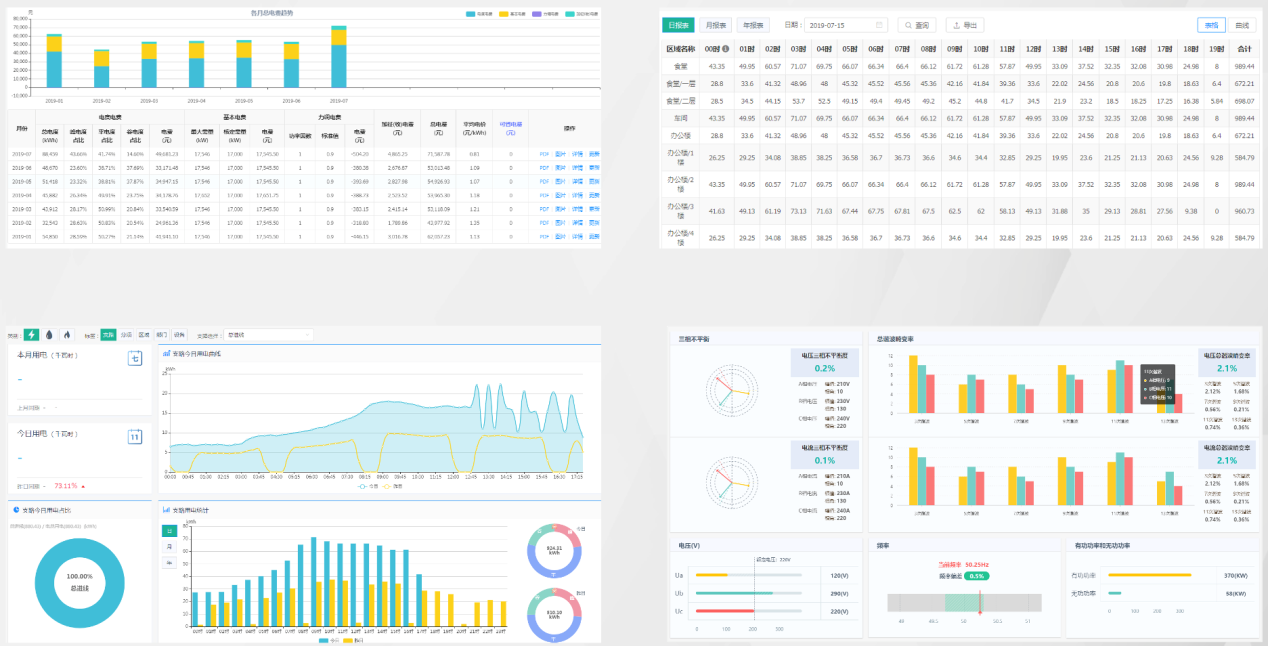
04 Feature Introduction – Load Monitoring
Conduct daily and monthly loss analyses across all stages—from power distribution to electricity consumption—and also view detailed loss statistics for individual devices. Compare losses over different periods to help managers identify energy consumption vulnerabilities. The system supports selecting any time period to view energy consumption statistics and filtering devices by different usage intervals, enabling timely detection of abnormal electricity consumption patterns.
By leveraging advanced technologies and an open technology roadmap, we have built an EMES management system centered on smart products and intelligent manufacturing, thereby achieving interconnectivity within the factory.
Information Interconnection Multidimensional data interconnection across the industrial chain establishes unified data standards and a robust data collection and analysis system.
Internal and external connectivity All relevant parties jointly participate—under safety controls—in design, process development, industry-academia-research collaboration, manufacturing, and stakeholder engagement. Internal departments collaborate with one another, as do upstream and downstream segments across the entire industrial chain.
Virtual-Real Interconnection By leveraging technologies such as AR, VR, and digital twins, we can achieve virtual improvements to the real world and use real-world scenarios to validate virtual applications.
Device Interconnection Leverage IoT and sensor technologies to achieve device interconnection, such as remote monitoring, remote control, and remote services.
Ultimately, the factory has completed its digital and intelligent transformation, significantly boosting production efficiency, product quality, and customer satisfaction. This not only meets the national strategic requirements for peaking carbon emissions and achieving carbon neutrality but also far exceeds relevant standards, thereby driving the upstream and downstream elevator industry chain toward intelligent and green production.

Contact Us
Email:
market@stepelectric.com
Address:
No. 1560, Siyi Road, Jiading District, Shanghai Municipality