
The motion modes and application scenarios of horizontal multi-joint robots and vertical multi-joint robots.
2024-09-06

The horizontal multi-joint robot (SCARA) is well-suited for efficient operations in a two-dimensional plane, such as electronic assembly and precision mounting. The vertical multi-joint robot (six-axis robot) offers greater flexibility and spatial adaptability, making it ideal for complex tasks like material handling and welding.
The main difference between horizontal multi-joint robots and vertical multi-joint robots lies in their modes of motion and application scenarios.
Differences in exercise methods:
Horizontal multi-joint robot (SCARA robot) Its motion is horizontal, enabling precise positioning and manipulation within a single plane. Such robots typically have four degrees of freedom, allowing them to translate along the X and Y axes as well as rotate around the Z axis. Horizontal multi-joint robots are well-suited for high-speed, high-precision operations performed in the horizontal plane, such as assembly and handling tasks in the electronics industry.
Vertical multi-joint robot (also known as an articulated-arm robot) Its motion mode is vertical, enabling precise positioning and manipulation within a three-dimensional space. Such robots typically have six degrees of freedom, allowing them to translate and rotate along the X, Y, and Z axes. Vertical multi-joint robots are well-suited for tasks requiring complex-shaped part machining, assembly, welding, and other operations in three-dimensional space—applications that include automotive manufacturing, aerospace, lithium battery electrode sheet production, cell assembly, chemical testing and conditioning, and processes involved in module and PACK line production.
Application scenario differences:
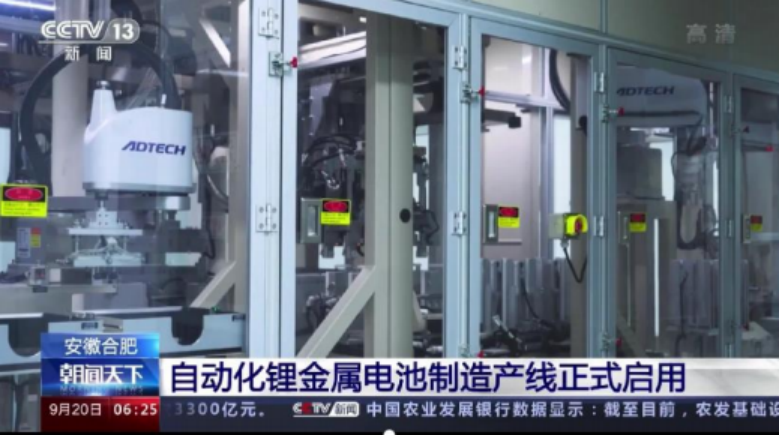
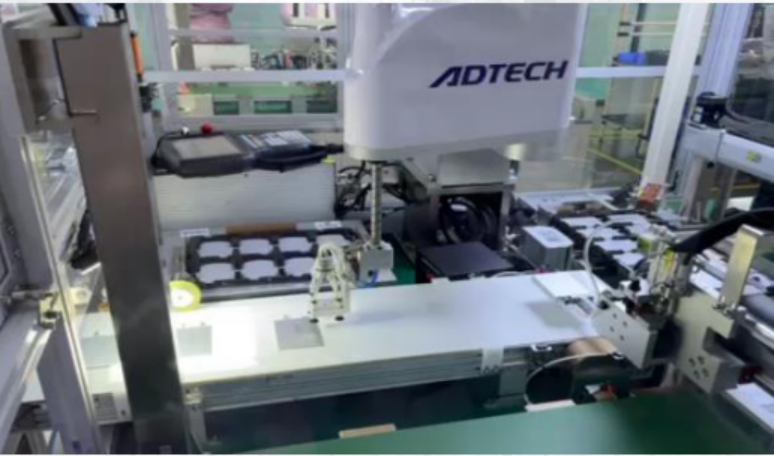
Horizontal multi-joint robot It is primarily used in industries such as electronics, semiconductors, and precision machinery to perform high-speed, high-precision operations including assembly, handling, and inspection. Due to its simple structure and low cost, it has found widespread application in these industries.
For example: used in laptop PCB assembly, laptop touchpad assembly, adhesive strip application in conjunction with the AVS vision system, and screw fastening for basic laptop components using smart electric screwdrivers, etc.
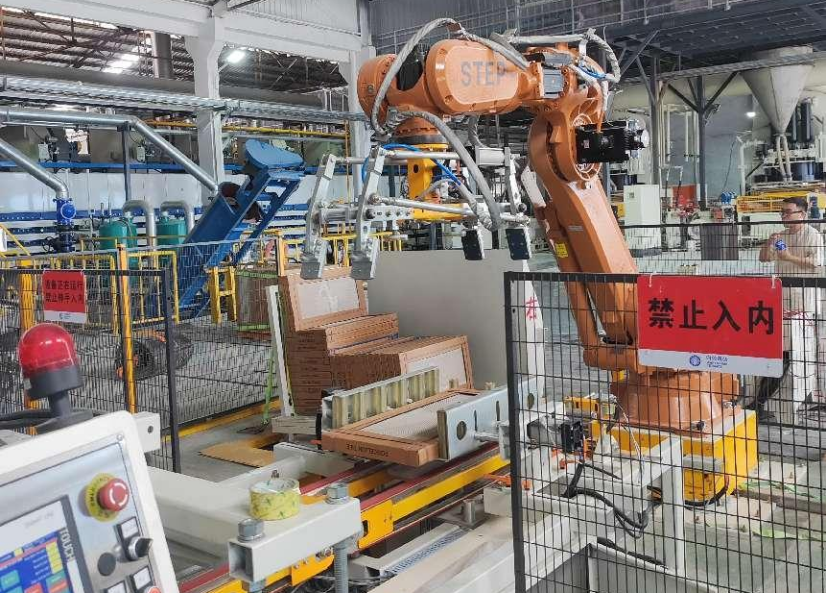
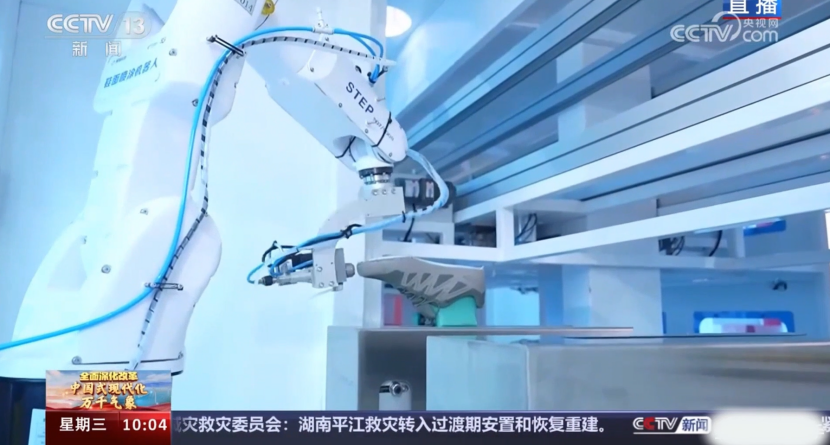
Vertical multi-joint robot It is primarily used in fields such as automotive manufacturing, aerospace, and heavy machinery, enabling the machining, assembly, and welding of parts with complex geometries. Due to its high flexibility and strong adaptability, it holds significant application value in these industries.
For example: welding/stamping of auto parts, automated production of solar panels, ceramic palletizing, shoe molding, and more.

Contact Us
Email:
market@stepelectric.com
Address:
No. 1560, Siyi Road, Jiading District, Shanghai Municipality