
How is STEP Robotics helping the corrugated cardboard industry improve quality and efficiency?
2024-09-29

The Corrugated Paper Industry: A Landscape of Both Challenges and Opportunities
Market demand is growing rapidly ▎Production efficiency still needs to be improved
In recent years, driven by the explosive growth of e-commerce and advancements in digital printing technology, the corrugated packaging market has been experiencing rapid expansion. The global corrugated packaging market is growing faster than previously anticipated. According to a report by industry consulting firm Smithers, from 2020 to 2025, the global corrugated cardboard industry is expected to achieve a compound annual growth rate (CAGR) of approximately 3.8%. By 2025, the industry’s market capitalization is projected to reach US$205.7 billion.
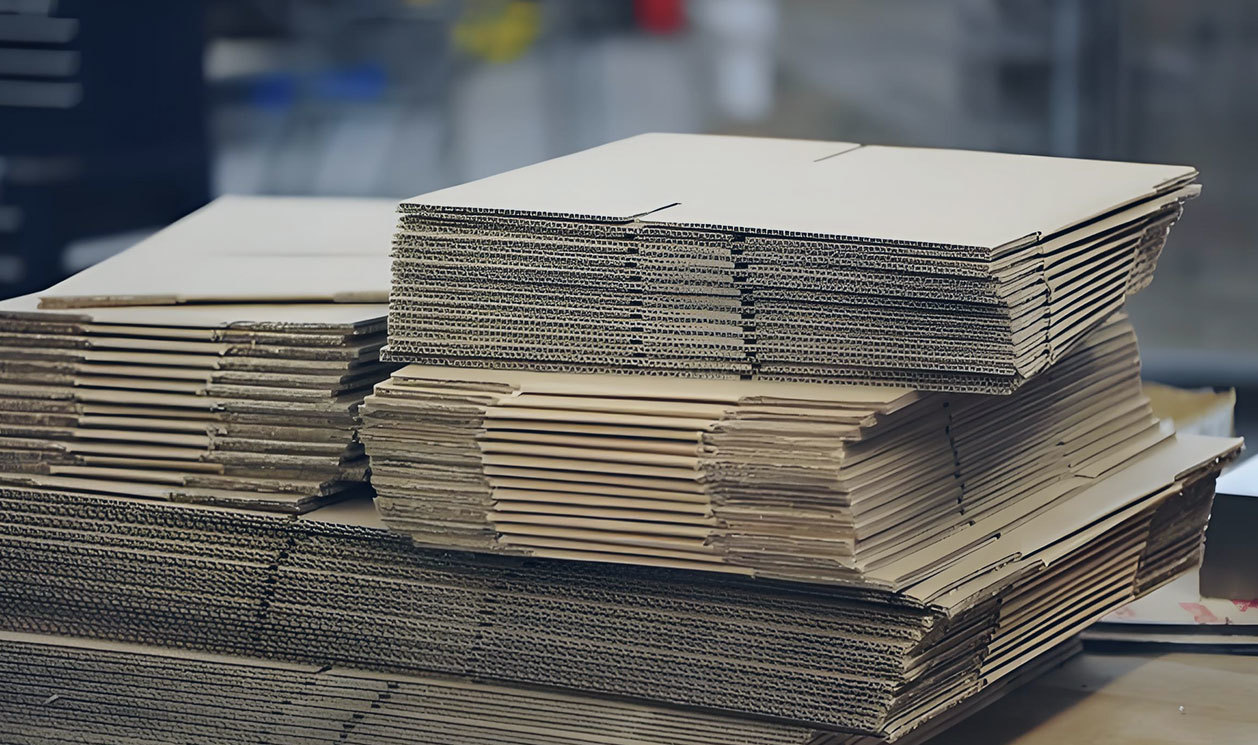
So, how can we seize the rapidly growing market demand? And how can we boost the production capacity of corrugated cardboard production lines?
Leading and mid-tier companies in the industry have already provided answers and begun to put them into practice: industrial upgrading and transformative development are indeed the general trend, and only by going with the flow can we achieve steady and sustainable progress.
From the equipment perspective, according to statistics disclosed in Oriental Jinggong’s announcement, there are currently over 6,000 corrugated cardboard production lines in the domestic market, along with an even larger number of existing corrugated box printing and packaging machines. It is estimated that most of these existing machines will be replaced by new production lines featuring higher levels of intelligence, greater production efficiency, and improved stability and reliability within the next 5 to 10 years. Industrial robots represent a typical example of intelligent production equipment, and in the packaging industry, the primary demand for robots comes from palletizing robots. Large enterprises and mid-sized companies typically equip the end of each production line with palletizing robots for high-speed palletizing operations, whereas small enterprises and some mid-sized companies still rely on manual palletizing at the end of their production lines.
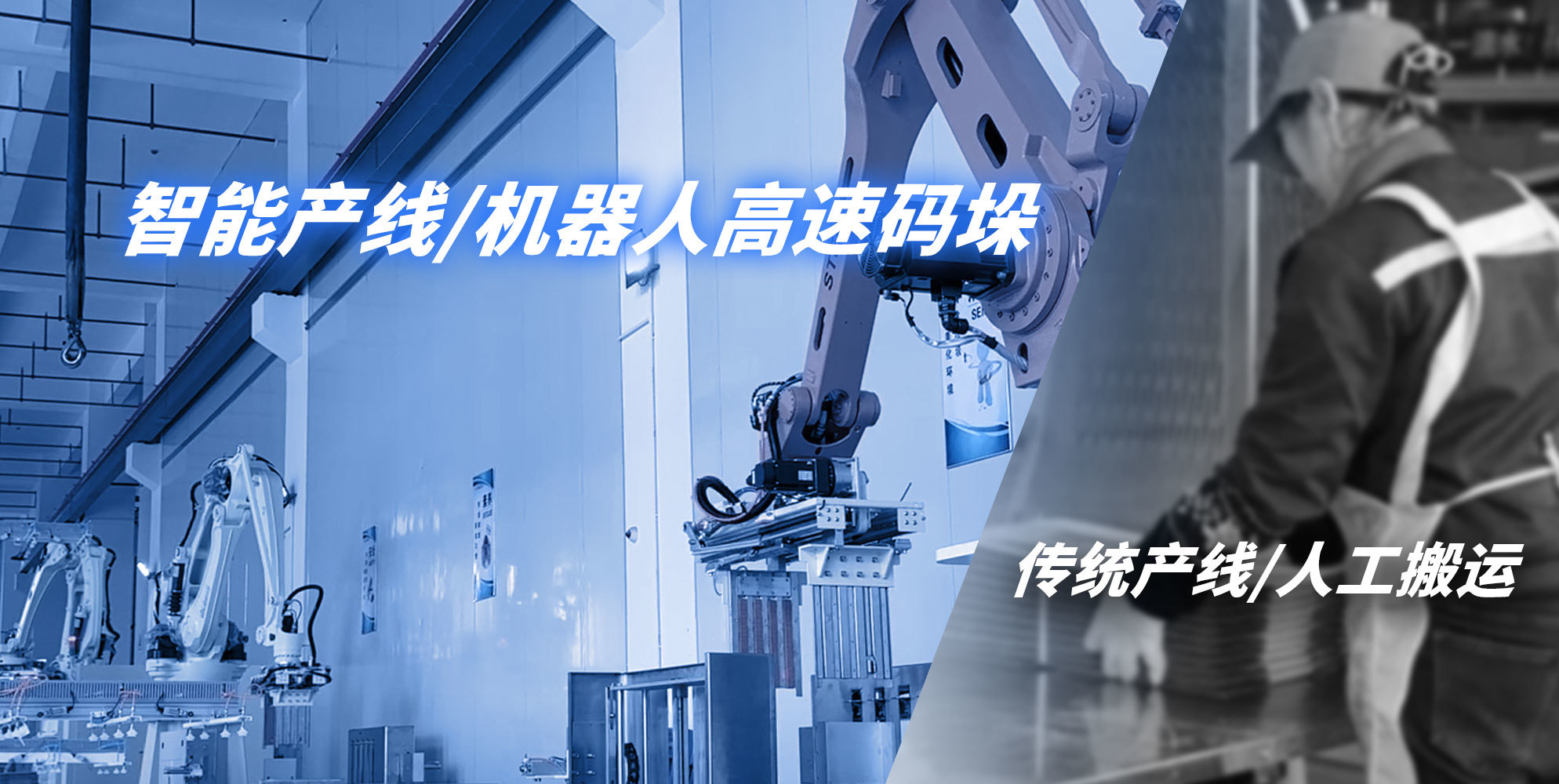
The Dilemma of Intelligent Transformation
The equipment must be efficient and durable ▎The equipment can quickly switch between different models ▎Short payback period
First, since cardboard and carton boxes have low profit margins, companies can only rely on volume to make money. As a result, carton production must be fast—requiring at least 17 cycles per minute per bundle, and for facilities with higher capacity demands, the rate must exceed 20 cycles per minute. Moreover, these operations run 24 hours a day, which places stringent demands on the equipment’s production efficiency and stability.
Second, cardboard box products are widely used in industries such as leisure foods, logistics, and pharmaceuticals. The number of different box sizes ranges from dozens to over a hundred, making it essential for cardboard box production lines to achieve extremely high efficiency in changeover operations. Moreover, the operators at the end-user level are mostly middle-aged individuals who find it difficult to adapt to the complex operations required by automated equipment. Therefore, the equipment must enable quick changeovers with minimal operator intervention—simply by entering the product’s model number or SKU size—and automatically switch over to produce the new product. This, in turn, demands that the equipment be capable of rapid product changeovers.
Third, for most small and medium-sized enterprises, the labor costs for the post-processing palletizing station alone range from 600,000 to 800,000 yuan per year. If these enterprises switch to robotic palletizing, they can recoup their investment within half a year to one year—this is something most businesses can accept. This underscores the significance of adopting automated equipment; cost is indeed a factor that enterprises cannot afford to overlook when undergoing intelligent transformation.
Target the pain points and achieve precise breakthroughs.
Increase Palletizing Cycle Rate ▎ Automatically Adjust Pallet Configuration ▎ Highly Integrated Design
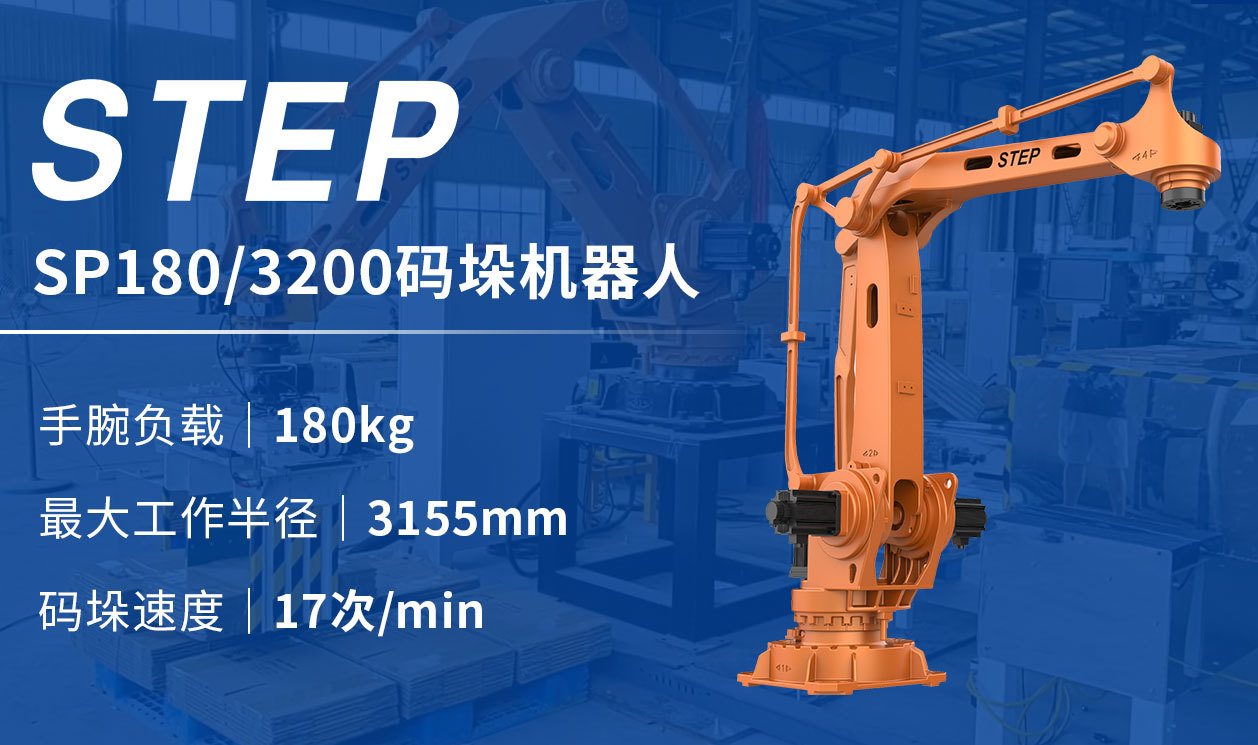
01 Higher Palletizing Cycle Time
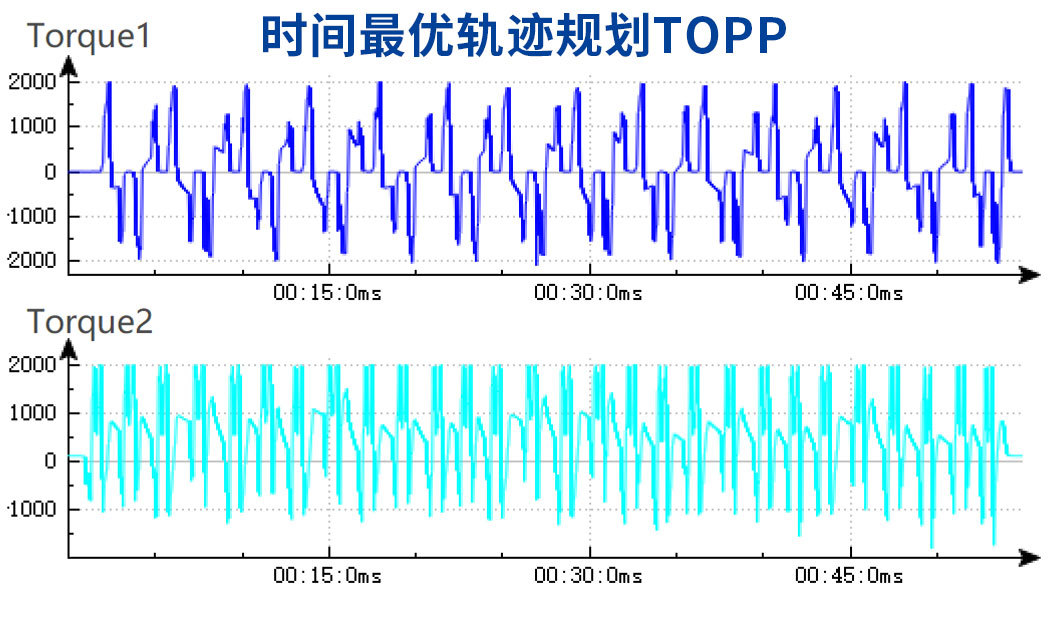
The STEP palletizing robot SP180 has a payload capacity of 180 kg and an arm reach of 3,155 mm, meeting the load requirements and stacking height demands of the paper packaging industry. Thanks to its advanced technologies—including Optimal Trajectory Planning (TOPP), servo parameter self-tuning, and vibration suppression—this robot achieves a palletizing speed of up to 17 cycles per minute while maintaining stable operation. It fully leverages the performance of the motor and gearbox, significantly reducing the likelihood of overload conditions in these components.
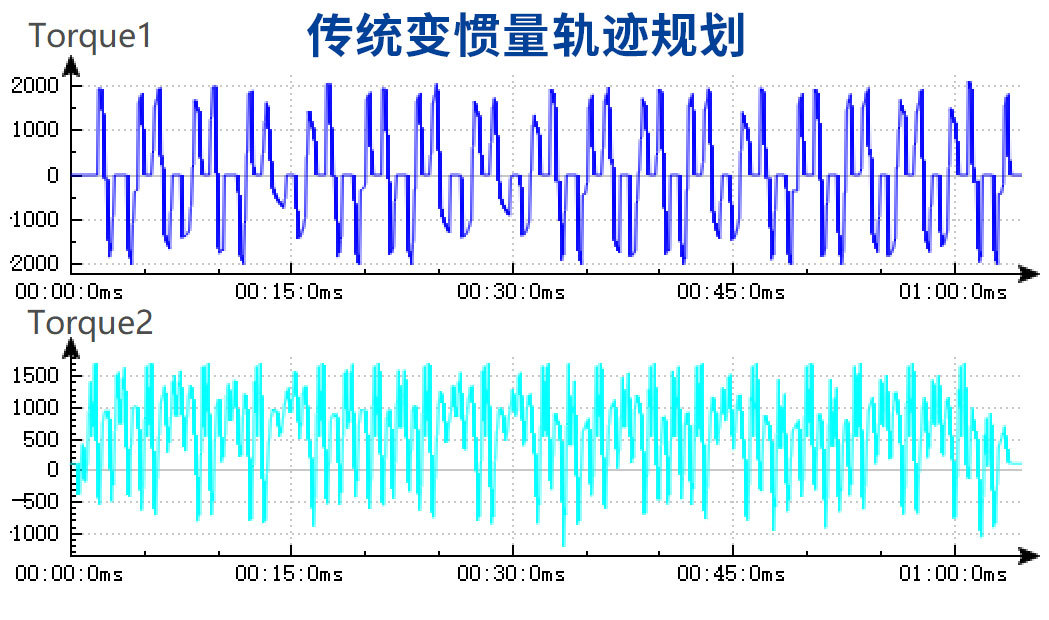
02 Automatically adjust stack configuration
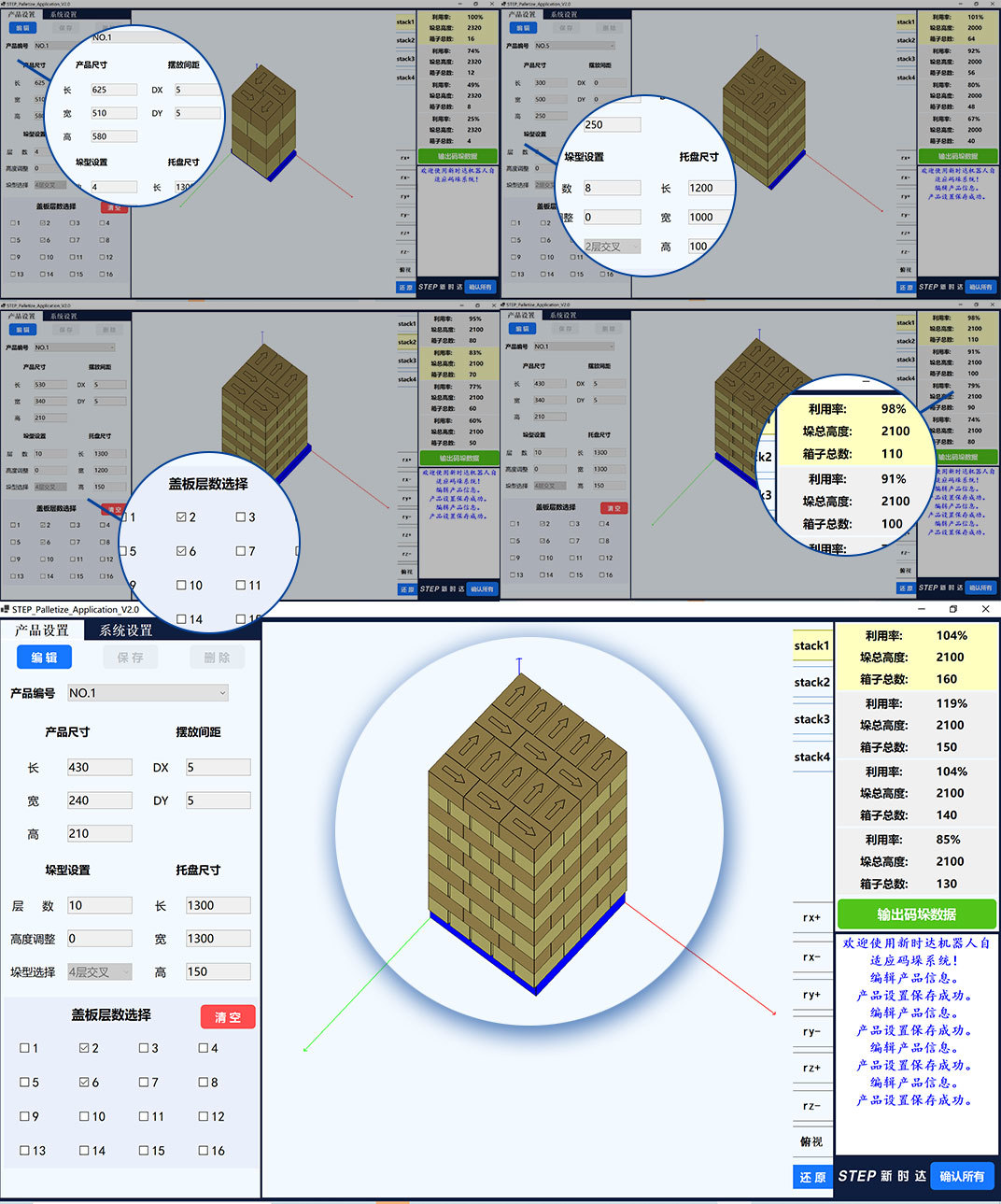
Targeting the rapid changeover requirements of the paper packaging industry, STEP has custom-developed automated typesetting software. Operators only need to input product dimensions to automatically generate the appropriate stacking pattern, enabling one-click palletizing. There’s no need to pre-set product recipes; product changeovers have been shortened from the traditional 30-minute teach-in programming to just 2 minutes of parameterized programming.
03 Highly Integrated
The entire series of STEP heavy-duty models features integrated drive and control cabinets. The main control cabinet can be equipped with up to two external axes, and its built-in EtherCAT communication interface can be further expanded to support up to six additional external axes. This enables precise control of servo grippers, alignment mechanisms, pallet warehouses, conveyor lines, and other components in palletizing production lines, achieving a high degree of integration.
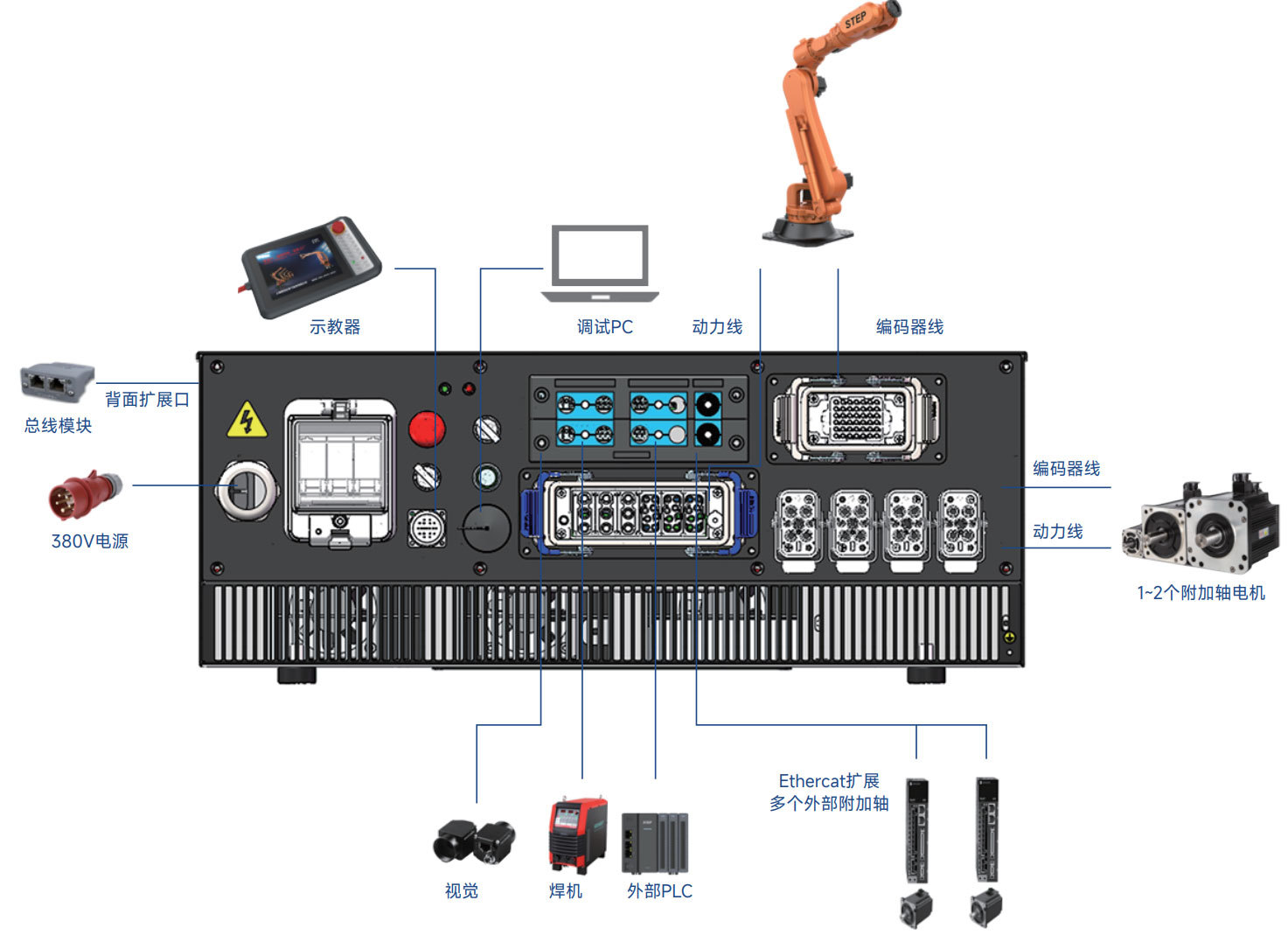
System topology diagram | Supports connection to a wide range of peripheral devices
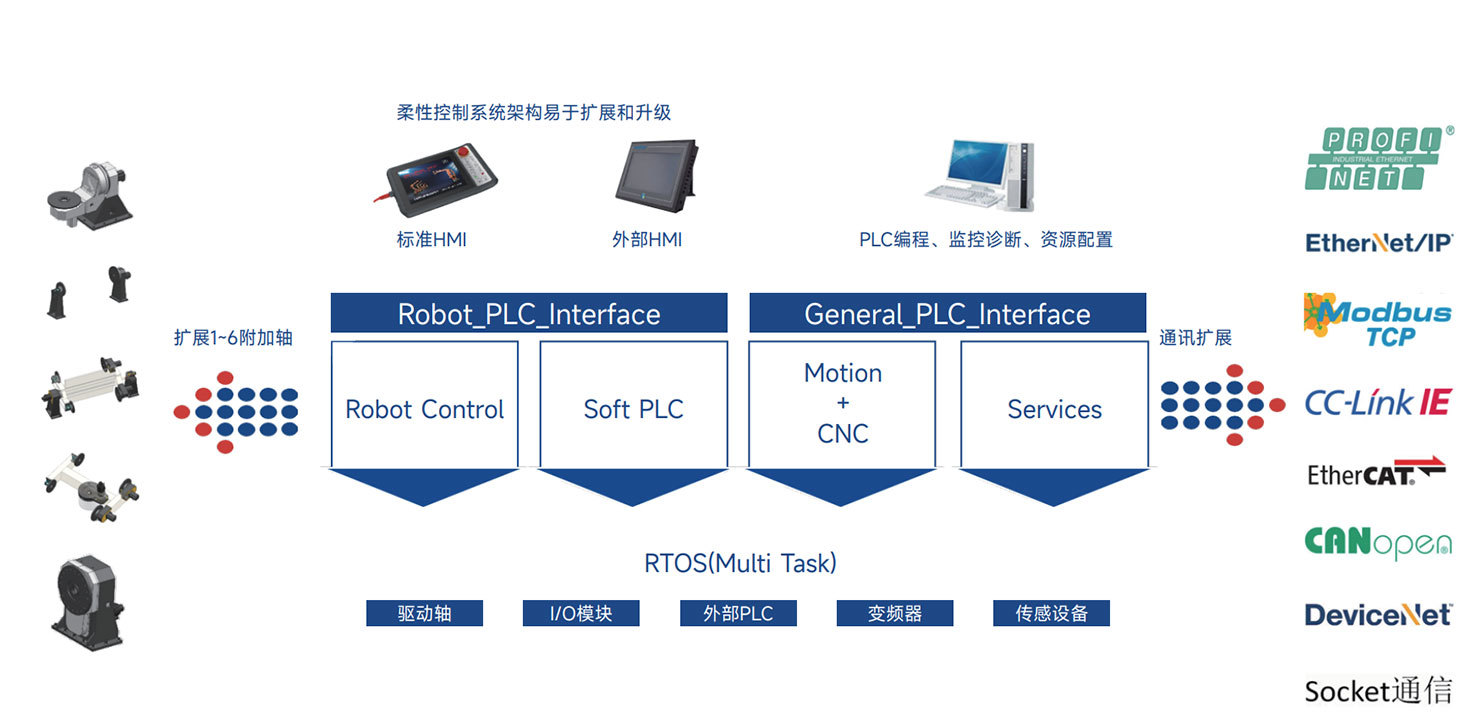 Rich Interconnection | Supports Multiple Communication Methods
Application site

Contact Us
Email:
market@stepelectric.com
Address:
No. 1560, Siyi Road, Jiading District, Shanghai Municipality