
In the era of the pandemic, Elevator Cloud safeguards your safe travels.
2022-02-07

During the Spring Festival holiday, with increased population mobility, the epidemic prevention and control situation remains severe and complex. In the confined space of elevator cabins, inadequate protective measures can easily lead to cross-infection.
Six “Golden Tips” for Elevator Cloud
Using technology to support epidemic prevention
Safeguard a peaceful year!
The COVID-19 pandemic has drawn the nation’s high attention, prompting a series of preventive and control measures aimed at curbing the virus’s spread. While fixed public spaces can implement emergency shutdowns to contain the outbreak, shutting down small, vertically mobile public spaces like elevators on a large scale would disrupt residents’ daily lives. Of course, when epidemic prevention and control require an urgent escalation, temporarily shutting down elevators in bulk is also something that needs to be considered. Over the past several years, Elevator Cloud has gone through a period of rapid development, and its conventional capabilities have already attracted widespread attention within the elevator industry. As the number of Elevator Cloud-related products continues to grow and their influence steadily expands, how will Elevator Cloud unleash even more latent potential when unexpected events such as pandemics occur?
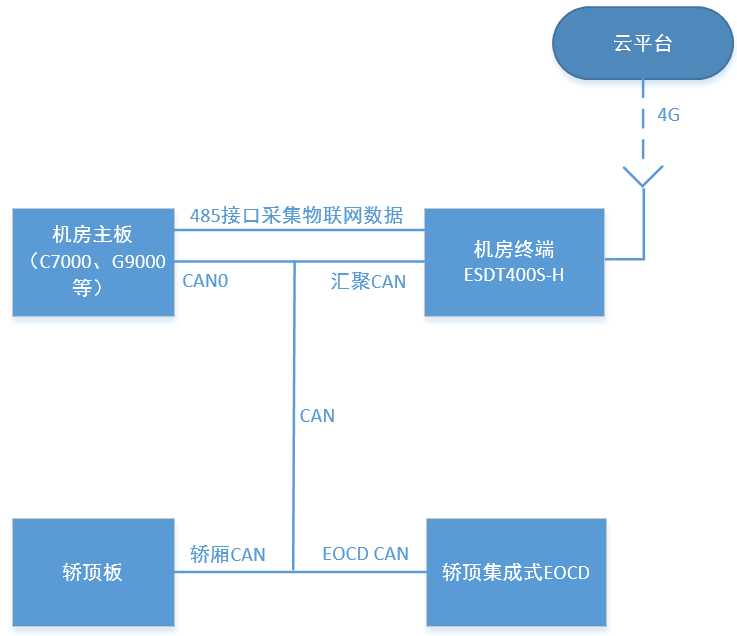
1. Accelerate the promotion of on-demand maintenance. Following the release of guiding documents for on-demand maintenance, many regions have already proposed plans to launch pilot programs. By leveraging elevator cloud technology, it’s possible to achieve remote monitoring and early warning of elevator malfunctions as well as real-time inspection of elevator operating conditions. This approach can extend the interval between on-site maintenance visits, shorten maintenance durations, and significantly reduce the risk of cross-infection among elevator maintenance personnel. Building on the existing portable EOCD devices, a new integrated 24-hour online EOCD unit for elevator car tops is set to be launched soon. Linked with the elevator cloud terminal in the machine room, this new device will enable remote collection of vibration data and elevator operation data, along with cloud-based analysis. As a result, it will effectively enhance the efficiency of on-site problem diagnosis and further accelerate the advancement of on-demand maintenance.
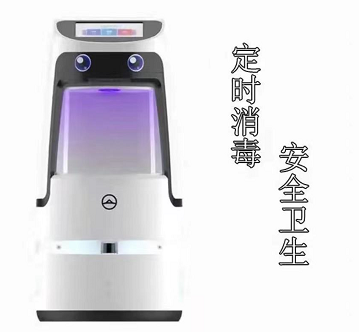
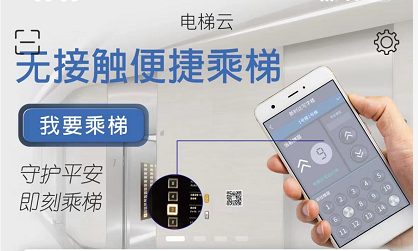
2. Providing effective technical solutions for the interaction between smart devices and elevators. By leveraging the elevator cloud interface, service robots can exchange commands with elevators, enabling them to conveniently take the elevator and deliver contactless services—such as room-service delivery in hotels or medication delivery in hospitals. Methods like voice-controlled elevator calls, facial recognition-based elevator calls, mobile-phone-based elevator calls, and sensor-triggered elevator calls allow users to avoid physically touching elevator buttons, thus achieving contactless elevator use and cutting off transmission routes via touch. The Amal service robot launched by STEP provides contactless services for industries such as hospitality; its equipped UVC deep-ultraviolet disinfection lamp beads can perform timed disinfection, ensuring the safety of both delivering and retrieving items. Moreover, the mobile-phone-based elevator-call function, built on elevator-cloud technology, effectively addresses the challenge of maintaining a fully contactless process—from external call to in-cabin operation—and significantly enhances elevator usage safety.
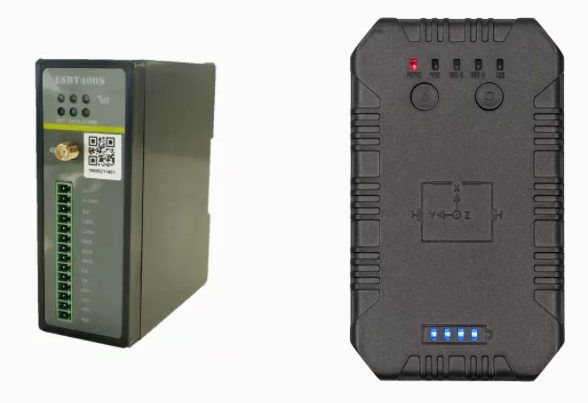
3. Ensure rapid response for the safe monitoring, maintenance, and upkeep of medical elevators during special periods. During the pandemic, the frequency of medical elevator use will significantly increase, raising the likelihood of problems occurring. By leveraging elevator cloud technology, hospitals can closely monitor their medical elevators. When an elevator malfunctions, the system can promptly issue an alert and pinpoint the exact location of the problem, enabling swift initiation of maintenance and repair work and promptly removing any obstacles from the vertical lifeline. The elevator cloud terminal and EOCD products launched by STEP, in conjunction with the elevator cloud platform, provide both pre-emptive alerts and post-event warnings, effectively ensuring the safe operation of medical elevators.
4. Establish an elevator disinfection registration mechanism. Similar to maintenance and upkeep registration, the elevator cloud platform’s management technology can incorporate elevator disinfection registration into its scope of consideration. The elevator cloud platform not only enables the assignment of disinfection tasks to relevant personnel but also allows for the tracking of disinfection completion status and timing, facilitating statistical management and accountability tracing, thereby effectively ensuring a healthy environment for elevator use. Wherever elevator disinfection requirements are met, it is also feasible to remotely control relevant disinfection equipment via the elevator cloud platform to carry out disinfection operations. Based on STEP elevator cloud terminal, a data link can be established between disinfection equipment and the elevator cloud platform, providing product support for the scientific management of disinfection devices.
5. Remote access control for elevators. Consider registering the highest-level call requests for urgently needed elevator floors, enabling remote scheduling of elevator access to efficiently handle emergency vertical transportation tasks. For elevators affected by sudden outbreaks, implement remote locking and carry out isolation and disinfection procedures. Once safety measures have been fully completed, remotely restore the elevator’s operation. In cases where large-scale elevator shutdowns are required following upgraded control measures, use remote control methods at the very last moment specified in the announcement to efficiently shut down multiple elevators simultaneously. After the shutdown control period ends, remotely resume operation of all affected elevators in a single batch, significantly improving the efficiency of both shutdown and resumption processes. Based on the data interface between STEPeng Elevator Cloud Terminal and its accompanying cloud platform, this functionality can be easily implemented.
6. AI recognition technology empowers elevator applications. In elevator scenarios, AI technology can be integrated with functions such as passenger flow statistics, identity recognition, crowd density detection, and mask-wearing detection, thereby supporting epidemic prevention and control efforts. The AI recognition system soon to be launched by STEP Elevator Cloud combines AI recognition, video surveillance, elevator operation data collection, and emergency alert capabilities in one platform. This system can help trace close contacts of confirmed cases in the vicinity of elevators, providing effective data support for epidemiological investigations.
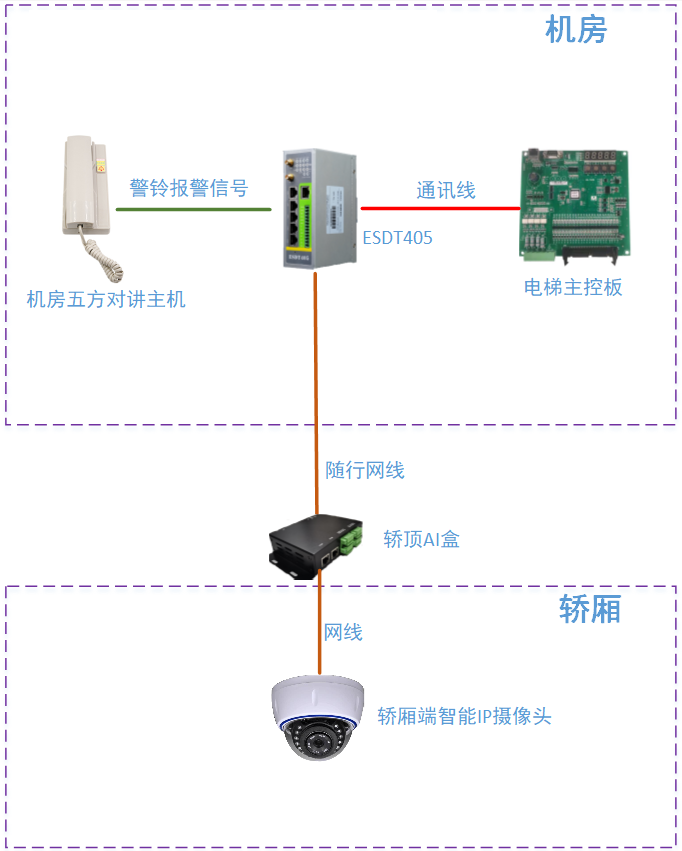
In light of the recent outbreak, the above-mentioned solutions—from the perspective of Elevator Cloud—offer several practical approaches for handling emergencies such as pandemics. At the same time, STEP hereby calls upon the elevator industry to deeply learn from the lessons of this epidemic, strive to enhance its technological capabilities, and contribute effective technical expertise to the prevention and control of future outbreaks. From smart elevators to smart communities and ultimately to smart cities, by leveraging Elevator Cloud technology for strategic deployment, we can collectively build a robust defense against epidemics.
Previous:

Contact Us
Email:
market@stepelectric.com
Address:
No. 1560, Siyi Road, Jiading District, Shanghai Municipality